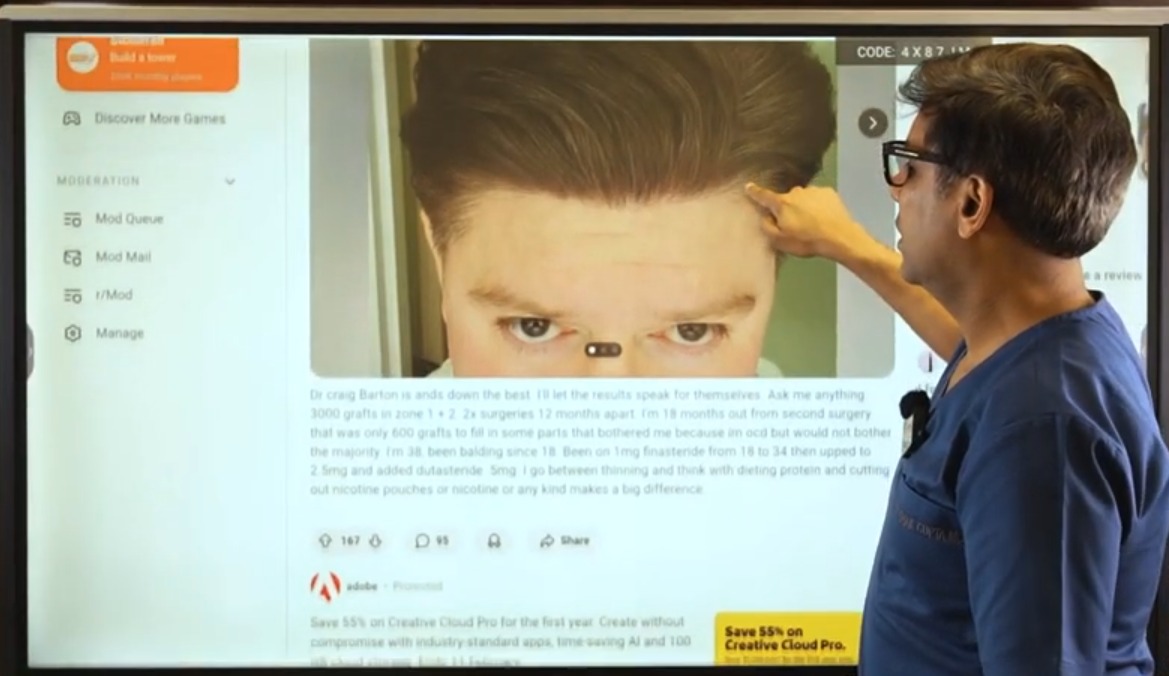

Scroll through any hair-loss forum on Reddit and you’ll find the same thing: dramatic before-and-after photos, glowing reviews, and hundreds of people trying to judge a hair transplant from a single picture. But appearance alone can be deeply misleading. In this review, Dr. Shail Gupta pulls real cases from Reddit and asks the question that changes everything, did the transplant actually work, or is the medicine doing the heavy lifting?
Most patients evaluate a transplant on how full the hair looks. Yet two results that look identical in a photo can be completely different underneath. Understanding how much of the density comes from surgery and how much comes from medicines can completely change the way you read every “after” image you see.
Case in Focus
2500 Grafts · Norwood Stage 2 Hairline
A real Reddit case: roughly 2,500 grafts placed to rebuild an early-stage receding hairline. On the surface it looks like a clean win but Dr. Shail uses it to show why graft count and a good photo don’t tell you whether the result is built to last.
The Question Behind Every Reddit Result
When a patient gets a transplant and takes Finasteride and Minoxidil at the same time, the visible result is a blend of two forces. The surgical grafts are permanent. But the medicines also thicken existing miniaturized hairs, adding a layer of density that depends entirely on continuing those medicines.
That’s why some results look better than the surgery itself can account for. A modest graft count can appear remarkably full because medicine-driven density is quietly inflating the picture. Stop the medicines, and that borrowed fullness can fade, even though the grafts themselves are still there.
Can medicines make a weak hair transplant look better than
it actually is? Absolutely, and that’s exactly the trap.
How Dr. Shail Reads a Reddit Case
Instead of reacting to the photo, Dr. Shail evaluates a handful of technical signals that reveal what’s really going on. These are the same lenses every patient should learn to apply before judging a result, their own or anyone else’s.
1. Medicine-Driven Density
The first question is always how much of the visible density is surgical and how much is pharmacological. In a Norwood Stage 2 case especially, where native miniaturized hairs are often still present, Finasteride and Minoxidil can carry a large share of the result. A surgeon mentally subtracts the medicine effect to see what the grafts alone delivered.
2. Graft Spacing
How grafts are distributed across the recipient area determines whether a hairline looks natural and whether the donor supply was used wisely. Spacing that’s too aggressive in one zone can drain the donor for short-term density while leaving nothing in reserve for future loss.
3. Cobblestoning
Cobblestoning is a texture complication where grafts heal raised or pitted, giving the scalp a bumpy, uneven surface. It’s a tell-tale sign of placement technique, and the kind of detail a glossy “after” photo conveniently hides.
4. Donor Planning
The donor area is a finite, lifelong resource. A result that looks great today but over-harvests the donor can leave a patient stranded if their native hair continues to recede. Smart donor planning weighs today’s coverage against tomorrow’s needs.
5. Long-Term Stability
Finally, will the result hold up over years? Native hair loss continues even after a transplant. Stability depends on conservative graft use, realistic expectations, and an honest plan for the density that depends on medication.

Why Norwood Stage 2 Demands Extra Caution
Norwood Stage 2 is an early, relatively mild stage of hair loss, typically slight recession at the temples. That makes it one of the trickiest situations to judge, because the patient often still has plenty of native and miniaturized hair. A transplant here can look spectacular, but much of that success may rest on medicines maintaining the surrounding native density rather than on the grafts alone.
It also raises a harder question that responsible clinics ask: at such an early stage, how aggressive should surgery even be? Over-treating an early hairline can spend donor grafts that the patient may need far more urgently a decade later.
Also Read:
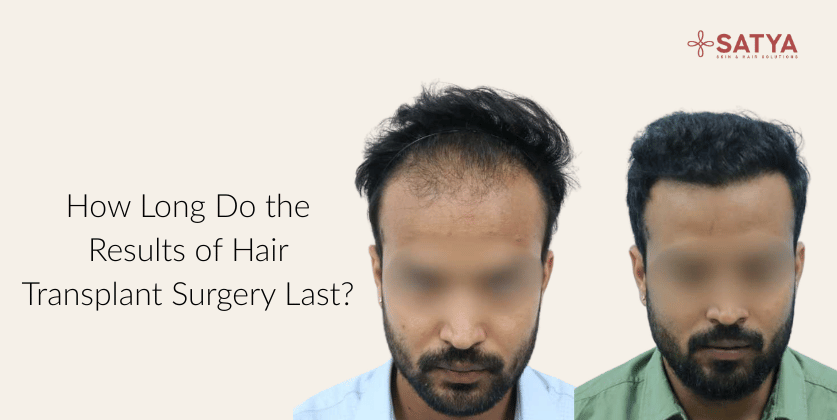
How Long Do the Results of Hair Transplant Surgery Last?
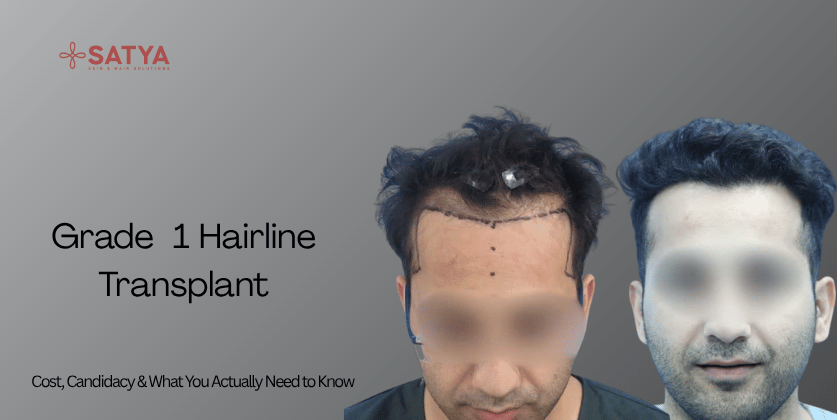
Grade 1 Hairline Transplant: Cost, Candidacy & What You Actually Need to Know (2026)
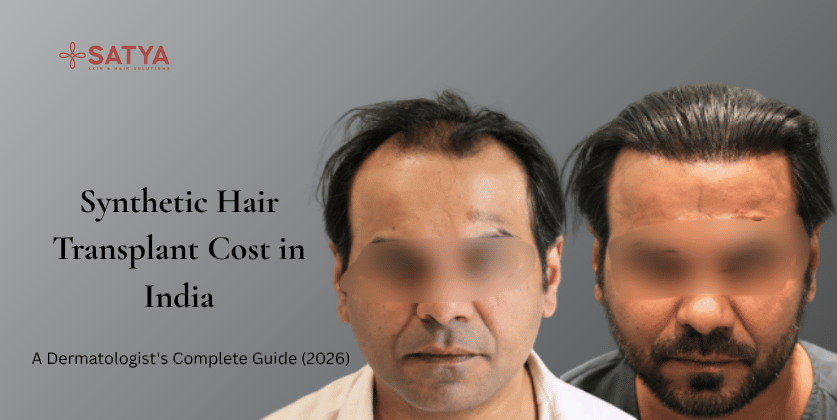
Synthetic Hair Transplant Cost in India: A Dermatologist’s Complete Guide (2026)
How to Judge Any Reddit Result
Before you trust a before-and-after, ask three things: Is the person on Finasteride and Minoxidil? How many grafts were used relative to the area covered? And what’s the plan for ongoing native hair loss? The photo answers none of these, but they decide whether the result lasts.
The Bigger Lesson: Hair Bhi, Health Bhi
The goal of these reviews isn’t to dismiss transplants, it’s to help patients become smarter consumers of the results they see online. A transplant evaluated only on appearance is a transplant misunderstood. By separating surgical grafts from medicine-driven density, weighing graft spacing and donor reserves, and thinking in years rather than months, you can judge a result the way a surgeon does.
Frequently Asked Questions
Yes. Finasteride and Minoxidil thicken existing miniaturized hairs, adding density that the surgery didn’t create. This can make a modest graft result look very full, until the medicines are stopped, at which point that borrowed density can fade.
It depends on the individual’s donor supply, hairline design and future loss pattern. Norwood Stage 2 is an early stage, so the bigger question is often whether surgery is warranted yet and how to preserve donor grafts for the future, not just the headline graft number.
Cobblestoning is a complication where grafts heal raised or pitted, leaving the scalp with a bumpy, uneven texture. It reflects placement technique and is one of the details that photos tend to hide.
The donor area is finite and must last a lifetime. Using too many grafts early, especially for mild, early-stage loss, can leave a patient without enough reserve if their native hair keeps receding. Good planning balances today’s coverage with future needs.