QUICK ANSWER
Pico laser treatment uses extremely short bursts of laser light, measured in trillionths of a second, to break pigment in the skin into very fine particles that the body then clears away. Because the pulse is so brief, it works more by shockwave than by heat, which means less thermal injury to the surrounding skin. It is used for sun spots, freckles, dull and uneven tone, post-acne marks, and some cases of melasma. Results depend heavily on the correct diagnosis, and pigmentation is always managed rather than permanently cured.
You may have noticed it slowly. Brown patches on the cheeks that did not fade after summer, a dull and uneven tone, or small dark spots along the forehead and upper lip. In Indian skin, pigmentation is one of the most common reasons people visit a dermatologist, and also one of the most misunderstood.
Many people try cream after cream, or book a laser session, without first knowing what kind of pigmentation they actually have. This guide explains what pico laser treatment does, what it treats well, where it needs caution, and how to think about it sensibly.
What Exactly Is a Pico Laser Treatment?
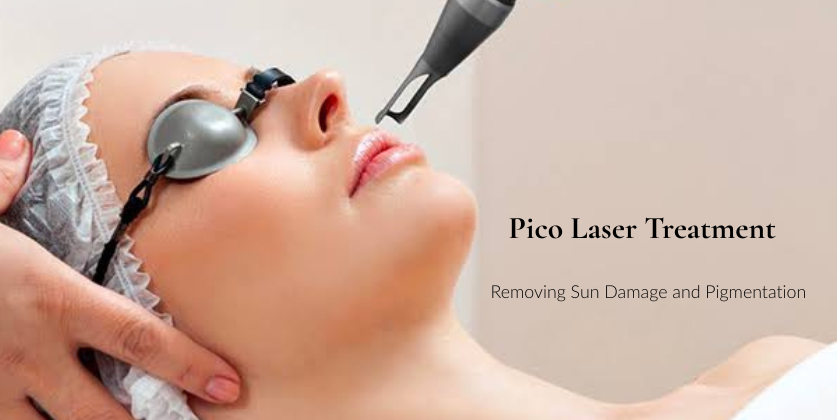
Pico laser treatment is a procedure that delivers laser energy in pulses lasting picoseconds, which are trillionths of a second, to shatter unwanted pigment into particles fine enough for the body to clear naturally.
Think of old pigment in the skin as a stone sitting in a garden bed. An older laser would warm the stone until it broke apart, which also heats the soil around it. A pico laser hits the stone with a rapid pressure wave instead, so it crumbles into sand with far less heat spreading outward. That difference in heat matters a great deal, especially in brown skin.
Pico Laser vs Older Q-Switched Lasers
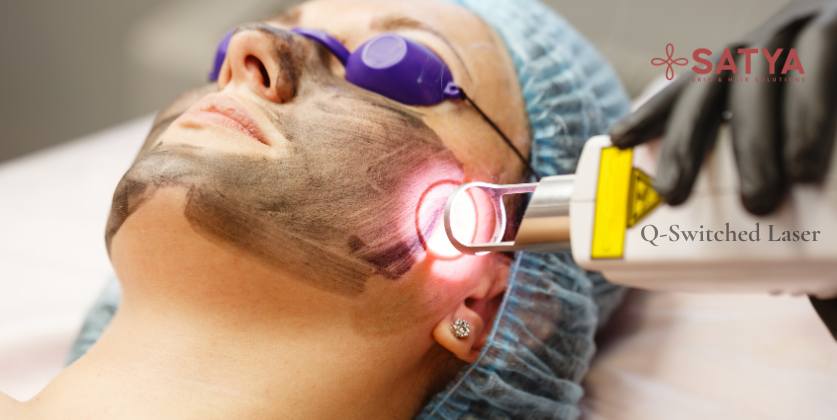
Q-switched lasers, which work in nanosecond pulses, have been used for pigment for many years and remain useful and effective. Pico lasers are the newer generation, working roughly a thousand times faster per pulse. The shorter pulse relies more on a photoacoustic or shockwave effect than a purely heat-based one.
In practice, this can mean finer pigment clearance and less thermal risk for the surrounding skin. It does not mean the older technology is useless, and it does not mean a pico laser suits every patient or every type of pigmentation. The device matters far less than the diagnosis and the settings chosen.
What Pigmentation Problems Can Pico Laser Treat?
Pico laser is most predictable for surface sun damage, and more variable for deeper or hormone-driven pigmentation.
Conditions commonly treated include the following.
- Sun spots and solar lentigines: the flat brown marks that appear on the face, hands, and arms after years of sun exposure.
- Freckles: these often respond well, though they can return with fresh sun exposure.
- Post-inflammatory hyperpigmentation: the marks left behind by acne, injury, or irritation.
- Melasma: treated selectively, with conservative settings and alongside medical therapy, never as a standalone fix.
- Dull tone and photoaging: gentler settings can help overall clarity and fine texture.
- Tattoo pigment: pico technology was originally developed with tattoo clearance in mind.
Why Sun Damage and Melasma Are Not the Same Problem
This is the single most important thing to understand before booking any pigmentation laser. Two people can have brown patches on the face for completely different reasons, and they need completely different plans.
Sun damage is mostly a record of past exposure sitting in the upper layers of skin. Melasma is a chronic, relapsing condition influenced by hormones, heat, and light, including visible light from the sun and even bright screens or bulbs. Sun spots can often be cleared and stay clear with good protection. Melasma tends to settle and then return, which is why honest expectation setting matters so much.
| Sun spots and freckles | Melasma | |
|---|---|---|
| Main driver | Cumulative sun exposure | Hormones, heat, UV and visible light |
| Depth | Usually superficial | Often mixed, surface and deeper |
| Response to pico | Generally good and predictable | Variable, improvement rather than cure |
| Relapse risk | Low with sun protection | High, it is a relapsing condition |
| First step | Laser is a reasonable option | Medical therapy first, laser as support |
For melasma, dermatology guidance generally places topical and medical treatment first, with lasers used as a second-line support in selected cases. Any clinic that offers laser as a one-visit cure for melasma is not describing the condition accurately.
Is Pico Laser Treatment Safe for Indian Skin?
Pico laser can be used safely in Indian skin, but it demands conservative settings, correct patient selection, and an experienced dermatologist.
Indian skin usually falls into the deeper Fitzpatrick types, which carry more active melanin. This is a strength for ageing, but it also means the skin can react to injury by producing more pigment rather than less. That reaction is called post-inflammatory hyperpigmentation, and it is the main risk with any light or laser treatment in brown skin. Too much energy, too many passes, or the wrong choice of patient can leave the skin darker than before.
This is exactly why the lower heat profile of a pico laser is useful in our population, and also why it must never be treated as risk free. Safe practice includes a proper diagnosis, a careful history of medicines and recent sun exposure, a test patch where appropriate, and starting gently rather than aggressively.
Also Read: How To Repair & Restore Your Skin Barrier
The Satya Approach to Pigmentation
At Satya Skin & Hair Solutions, pigmentation is treated as a medical problem first and a cosmetic one second. Our guiding principle is simple: healthy skin before beautiful skin. A laser is one tool in a longer plan, not the plan itself.
| FROM DR. RUCHI AGARWAL, DERMATOLOGIST AND CO-FOUNDER“ The most common mistake I see is treating the pigment without diagnosing it. Melasma, post-acne marks, sun spots, and deeper dermal pigmentation can look similar to the patient but behave very differently under a laser. If we treat melasma like a sun spot with aggressive settings, we can make it worse. So we examine the skin properly, we repair the barrier first, and only then do we decide whether a laser adds value. Barrier before brightening, always.” |
In practice, this means we look for the cause before reaching for the device. Thyroid or hormonal factors, medication, ongoing friction or heat, harsh home remedies, and daily sun habits all feed pigmentation. Treating the surface while ignoring the driver is how people end up in a cycle of temporary results.
What Happens During and After Treatment
A session is usually short, and most people return to normal activity the same day.
Here is what a typical course looks like.
- Consultation: your pigmentation is diagnosed, your history is taken, and suitability is assessed.
- Preparation: the skin is cleansed, and numbing cream is used where needed.
- The session: most facial sessions take around fifteen to thirty minutes, and the sensation is often described as tiny flicks or a light snapping feeling.
- Immediately after: mild redness and slight warmth are common and usually settle within hours to a day or two.
- Over the next week: treated spots may look darker, then flake away gently. Do not pick at them.
- Course: several sessions spaced a few weeks apart are usually needed, and the number depends on your diagnosis.
Results, Aftercare, and Realistic Expectations
Improvement is gradual. Sun spots often lighten noticeably over a few sessions, while melasma usually improves in tone and evenness rather than disappearing. Skin that has taken twenty years to accumulate damage does not reset in one visit, and any promise of permanent clearance should be treated with caution.
| FROM DR. RUCHI AGARWAL ON AFTERCARE“ Aftercare decides whether your result lasts. Pigment cells respond not only to ultraviolet light but to visible light too, which is why a tinted sunscreen is often more useful than a clear one for pigmentation patients. Daily sunscreen, reapplication, and gentle skincare are not optional extras after a laser. If someone does the sessions and skips the sun protection, the pigment comes back and the money is wasted.” |
Depending on your diagnosis, we may combine or sequence treatment with other options such as chemical peels, medical melasma management, or broader pigmentation treatment. Sequencing is chosen for your skin, not sold as a package.
Taking the Next Step
If pigmentation is bothering you, the most valuable first step is not choosing a laser. It is getting an accurate diagnosis of what type of pigmentation you have, how deep it sits, and what is driving it. That single conversation decides whether pico laser treatment will help you, and what a realistic result looks like.
Book an evidence-based consultation with our dermatology team at Satya Skin & Hair Solutions in Gurgaon or Delhi. We will examine your skin, explain your diagnosis in plain language, and recommend treatment only where it genuinely adds value.Call: +919999570494
Frequently Asked Questions
A pico laser delivers energy in pulses lasting trillionths of a second. This very short pulse breaks pigment apart largely by shockwave rather than by heat, so the pigment is reduced to fine particles that the body clears naturally, with less thermal effect on the surrounding skin than older lasers.
Pico laser treatment can be safe in Indian skin when performed by an experienced dermatologist using conservative settings. Indian skin has more active melanin, so the main risk is post-inflammatory hyperpigmentation, where the skin responds to injury by darkening. Correct diagnosis, gentle settings, and proper aftercare are what keep the treatment safe.
Most people need a course of several sessions spaced a few weeks apart rather than a single visit. The exact number depends on the type of pigmentation, how deep it sits, and how your skin responds. Your dermatologist should give you an estimate after examining your skin.
No. Melasma is a chronic and relapsing condition, so it is managed rather than cured. Laser can improve tone and evenness in selected cases, but it is generally used to support medical treatment rather than replace it, and results need ongoing sun protection to hold.
Most people find it very tolerable. The sensation is often described as tiny flicks against the skin, and numbing cream can be used. Downtime is usually minimal, with mild redness settling within a day or two, and treated spots darkening slightly before flaking away over the following week.
It can, particularly with sun exposure or in conditions like melasma. Sun spots often stay clear with consistent daily sunscreen, while melasma has a naturally high relapse rate. This is why aftercare and sun protection, including protection from visible light, are treated as part of the treatment and not an afterthought.