If you have been staring at dark patches on your cheeks, stubborn spots after a pimple, or uneven skin tone that makeup cannot fully hide, you are not alone. In our Gurgaon and Delhi clinics, requests for Pigmentation Treatment are now among the top three skin concerns we see every week.
Pollution, harsh sunlight, hormonal changes, and aggressive skincare trends have made pigmentation one of the most common skin complaints in India.
The good news: with the right diagnosis and a layered, medically supervised Pigmentation Treatment plan, most types of pigmentation can be visibly reduced and well controlled. This guide explains what pigmentation really is, which treatments actually work, and how our doctor-led team at Satya Skin & Hair Solutions approaches it.
What Is Pigmentation and Why Does It Happen?
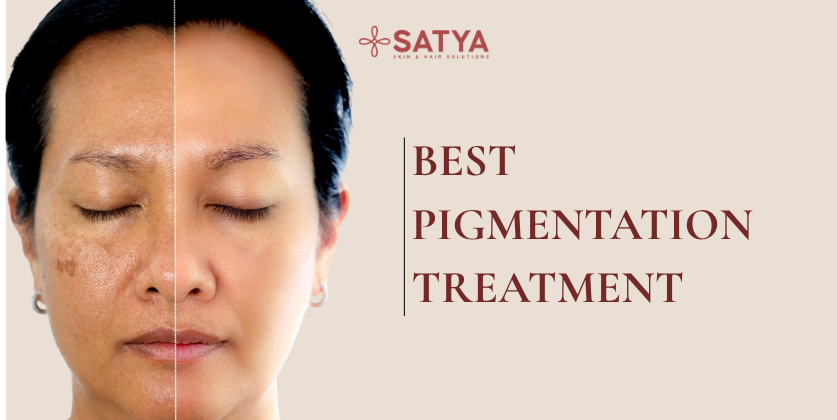
Pigmentation simply means colour change in the skin. When cells called melanocytes produce too much melanin, the skin develops darker patches.
This is called hyperpigmentation. Sometimes the skin produces too little melanin, leading to lighter patches (hypopigmentation).
Common triggers we see in Delhi NCR patients include:
- Sun exposure and UV damage (a major factor in North Indian climates)
- Hormonal shifts pregnancy, PCOS, thyroid issues, birth control
- Post-acne marks (post-inflammatory hyperpigmentation)
- Friction, heat, and pollution
- Overuse of harsh scrubs, bleaches, or unregulated fairness creams
- Underlying conditions like melasma or lichen planus pigmentosus
Because the cause determines the cure, any effective treatment for pigmentation must begin with a proper dermatological diagnosis not a guessed-at cream from a chemist or an Instagram reel.
Common Types of Pigmentation We Treat
1. Melasma
Symmetrical brown or greyish patches on the cheeks, forehead, or upper lip, often hormone-driven and worsened by sun and heat.
2. Post-Inflammatory Hyperpigmentation (PIH)
Dark spots left behind after acne, insect bites, eczema, or any skin injury. Very common in Indian skin tones.
3. Sun-Induced Pigmentation (Solar Lentigines and Tan)
Freckles, sunspots, and persistent tan from repeated UV exposure.
4. Periorbital Pigmentation (Dark Circles)
Pigment-led dark circles around the eyes, often mistaken for tiredness.
5. Freckles and Dermal Pigmentation
Deeper pigmentation like Hori’s naevus and naevus of Ota require different, often laser-based approaches.
Best Pigmentation Treatment Options Backed by Science
There is no single best treatment for pigmentation. The right plan combines several modalities based on depth, cause, and skin type. Our doctors typically consider the following options:
Medical-Grade Topicals
Prescription formulations with ingredients such as tranexamic acid, azelaic acid, kojic acid, niacinamide, retinoids, and hydroquinone (used cyclically and under supervision). These form the foundation of almost every pigmentation treatment plan.
Chemical Peels
Superficial to medium-depth peels using glycolic, lactic, mandelic, salicylic, or combination acids. Peels exfoliate pigmented cells and accelerate cellular turnover.
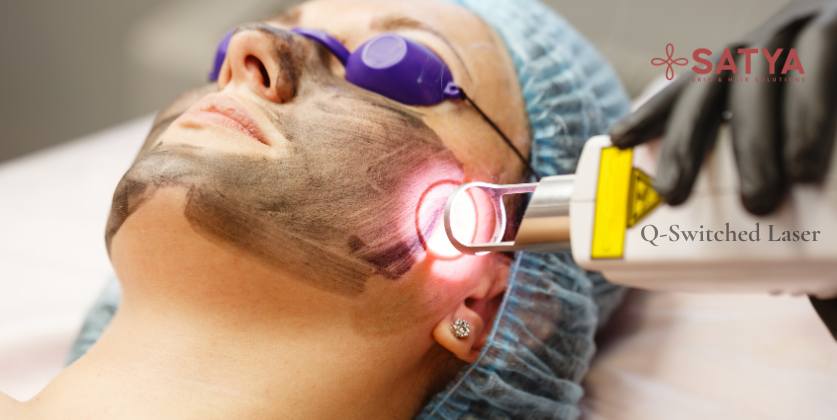
Laser Toning and Q-Switched Nd:YAG Lasers
Precisely targeted lasers break down pigment at different skin depths. Safe for Indian skin when performed by trained dermatologists.
Microneedling with Serums or PRP
Creates controlled micro-channels to enhance the absorption of depigmenting serums, improving skin texture alongside pigmentation.
Oral Therapies
Tranexamic acid, antioxidants, and other oral agents are prescribed in select cases, particularly stubborn melasma.
Sun Protection
The most underrated part of any pigmentation treatment. A broad-spectrum SPF 50+ sunscreen, reapplied through the day, is non-negotiable.
Also Read: Best Anti-Ageing Treatments For Face
The Satya Approach: Doctor-Led, Conservative, Long-Term
At Satya Skin & Hair Solutions, pigmentation is treated the same way we approach every procedure, with restraint, science, and a long-term view. Our co-founders Dr. Shail Gupta and Dr. Ruchi Agarwal have spent more than two decades building treatment protocols that prioritise skin health over quick, aggressive fixes.
Our pigmentation consultation includes:
- A detailed skin history, hormonal screening where relevant, and Wood’s lamp or dermoscopy assessment
- A personalised plan that layers topicals, in-clinic procedures, and lifestyle guidance
- Honest timelines, we tell you what realistic improvement looks like in 8, 12, and 24 weeks
- Maintenance and relapse-prevention planning, because pigmentation tends to recur without long-term care
We are careful with lasers and peels on Indian skin. The goal is gradual, even lightening, not bleached or paper-thin skin.
Why Patients in Gurgaon and Delhi Choose Satya
Our two clinics, in DLF Phase 4, Gurgaon and Pitampura, Delhi, see patients from across the NCR: Noida, Faridabad, South Delhi, and Dwarka. Delhi NCR’s climate, pollution load, and long commute times create a very specific pigmentation pattern, and our protocols are calibrated for exactly this environment.
Patients consistently tell us they chose Satya because consultations are unhurried, products are not over-prescribed, and the same senior doctors review every follow-up. For anyone searching for the best doctors for hyperpigmentation skin treatment in Delhi NCR, we believe continuity of care matters as much as the technology itself.
Pigmentation Treatment Cost in Delhi NCR
Pigmentation treatment cost depends on the type of pigmentation, skin depth involved, and the modalities used. As a general guide in the Delhi NCR market:
- Medical consultation and prescription plan: typically the most affordable entry point
- Chemical peel sessions: priced per session, usually taken in a series of 4 to 6
- Laser toning sessions: priced per session, often 4 to 8 sessions spaced 3 to 4 weeks apart
- Combination packages: many patients opt for blended plans that work out more economical than single-modality care
At Satya, we share a transparent, itemised estimate after diagnosis, never a flat, one-size-fits-all package.
Yes, when performed by qualified dermatologists using protocols calibrated for brown skin tones. Aggressive or wrongly chosen lasers can cause rebound pigmentation, which is why doctor supervision is essential.
Most patients see visible improvement within 8 to 12 weeks. Deeper pigmentation such as melasma may need 4 to 6 months of combined in-clinic and home-care treatment.
Neither is universally better. Peels work well for superficial pigmentation and post-acne marks; lasers are more effective for deeper pigment. Most effective treatment plans combine both, along with medical topicals.
Pigmentation treatment cost in Delhi NCR varies based on the modality and number of sessions. We recommend an in-clinic consultation for an accurate, personalised estimate rather than relying on generic price lists.
It can, especially melasma and sun-related pigmentation. Daily sun protection, maintenance peels or laser sessions, and prescribed topicals help keep results stable long-term.
Most lasers, peels, and oral medications are avoided during pregnancy. Safer options like gentle topicals and strict sun protection are usually advised until after delivery and breastfeeding.
Look for board-certified dermatologists with clear experience treating Indian skin, transparent pricing, and a conservative approach. Avoid clinics that promise overnight results or pressure you into long packages on day one.
Book Your Pigmentation Consultation at Satya Skin & Hair Solutions
If pigmentation has been holding back your confidence, a proper diagnosis is the most important first step. Our team at Satya Skin & Hair Solutions offers unhurried, doctor-led consultations in Gurgaon (DLF Phase 4) and Delhi (Pitampura).
To book an appointment with Dr. Shaiil Gupta or Dr. Ruchi Agarwal, call our clinic or visit satyaskinhairsolutions.com. Walk in with your questions, walk out with a clear, realistic plan for your skin.