Hair loss affects nearly 80% of men and 40% of women at some stage of life. Whether due to genetics, hormonal imbalance, medical conditions, lifestyle factors, or scarring, progressive hair thinning can significantly impact confidence and emotional well-being.
While medications, PRP, and topical treatments may slow hair fall, surgical hair restoration remains the only permanent solution for advanced baldness. Among the available techniques, FUT (Follicular Unit Transplantation) continues to be one of the most powerful, misunderstood, and underutilized methods in modern hair transplant surgery.
This comprehensive guide explains FUT Hair Transplant in depth, its science, advantages, limitations, recovery, and why it remains indispensable in advanced hair restoration planning.
What Is FUT Hair Transplant?
FUT, also known as the Strip Method, is a surgical hair transplant procedure where:
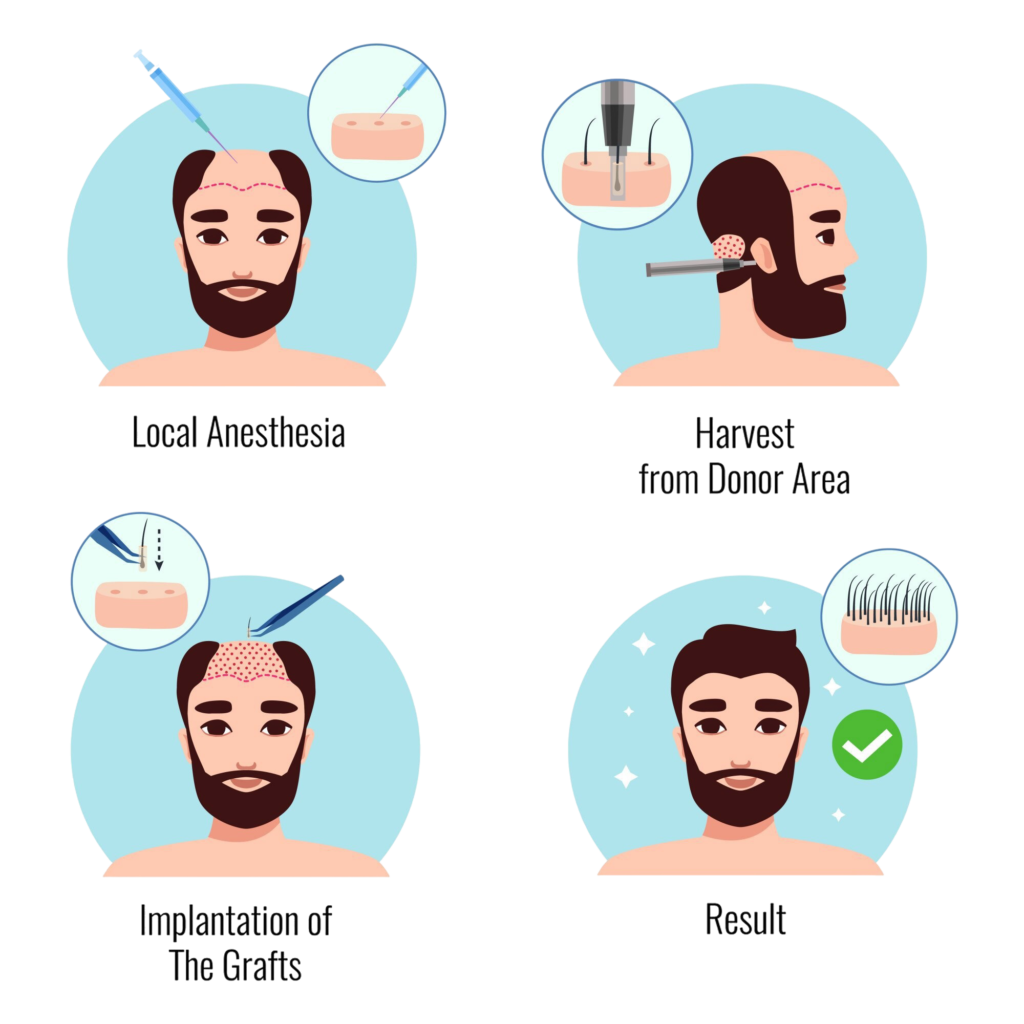
- A thin strip of scalp is removed from the permanent donor zone (back of the head).
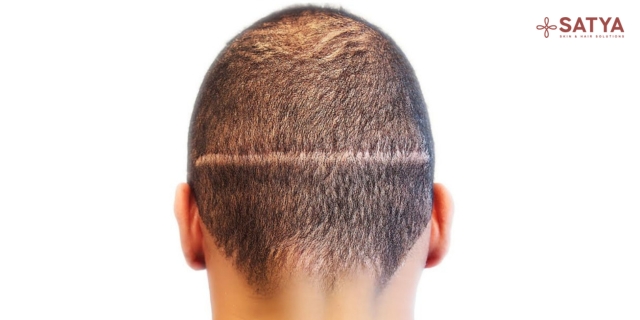
- The donor area is closed using the trichophytic closure technique, creating a fine scar.
- The strip is dissected under high magnification into individual follicular units (1–4 hairs each).
- These grafts are implanted into bald or thinning areas following natural angles and density patterns.
The procedure typically takes 4–8 hours under local anesthesia. Unlike FUE, FUT does not scatter extractions across the donor area. Instead, it preserves the surrounding donor density, making it strategically superior in many high-grade baldness cases
Why FUT Is Still a Gold Standard in Advanced Baldness
Despite heavy marketing favoring FUE, FUT remains critical for patients with:
- High Norwood grades
- Extensive baldness
- Limited donor reserves
- Need for repair surgery
- Desire for higher graft numbers in one session
FUT allows harvesting from the safest permanent donor zone, ensuring long-term graft stability
Step-by-Step FUT Procedure Explained
1. Consultation & Planning
A detailed evaluation includes:
- Baldness grading
- Donor density assessment
- Long-term progression prediction
- Age-appropriate hairline design
Hair transplantation is not about creating a low hairline; it is about creating a sustainable one.
2. Donor Strip Removal
A thin strip is surgically removed from the safe donor zone. The area is stitched using trichophytic closure, a specialized technique that allows hair to grow through the scar line, minimizing its visibility
3. Microscopic Dissection
The strip is dissected under high-end microscopes by trained technicians into follicular units.
This step is critical:
- Prevents graft damage
- Ensures high survival rate
- Preserves fat tissue around follicles
- Maintains graft integrity
4. Recipient Site Creation
Tiny slits are created following:
- Natural hair angles
- Direction
- Density distribution
- Crown swirl pattern
5. Graft Implantation
Grafts are implanted carefully under local anesthesia. Proper placement ensures natural-looking results.
Major Advantages of FUT Hair Transplant
1. Higher Graft Yield
One of FUT Hair Transplant biggest advantages is the ability to transplant large numbers of grafts safely.
In suitable cases:
- 2500–4000 grafts in one session
- Mega sessions up to 5000+ grafts (when donor allows)
This makes FUT essential for advanced baldness.
2. Efficient Donor Preservation
Unlike FUE, which removes individual grafts from across the donor region, FUT removes only a strip. The surrounding donor remains untouched, preserving density
This is extremely important for future planning.
3. Better Graft Quality
FUT grafts retain more surrounding tissue, improving:
- Survival rates
- Handling safety
- Long-term stability
4. Natural-Looking Results
Because grafts are dissected into natural follicular units (1–4 hairs), blending with existing hair becomes seamless
5. Cost-Effective for Larger Sessions
FUT may require fewer total sessions compared to multiple FUE sittings, potentially reducing long-term cost
6. Trichophytic Closure Minimizes Scar Visibility
This specialized closure technique:
- Creates a fine scar
- Allows hair growth through scar tissue
- Makes scar nearly invisible unless head is completely shaved
Who Is an Ideal Candidate for FUT?
FUT works best for:
- Men above 25 years
- Norwood pattern baldness
- High-grade baldness
- Repair of failed transplants
- Scarring alopecia
- Beard & eyebrow restoration
- Long hair transplant (non-shaven method)
Limitations of FUT
Every surgical procedure has limitations.
1. Requires High Surgical Skill
FUT has a longer learning curve and requires advanced expertise
2. Larger Infrastructure Needed
- Bigger surgical setup
- Skilled technician team
- High-end microscopes
3. Slightly Longer Recovery
Patients should avoid heavy workouts for about a month
Does FUT Leave a Scar?
Ye, FUT leaves a linear scar at the donor site.
However:
- Trichophytic closure minimizes visibility
- Hair grows through scar tissue
- Even short hair can often conceal it
- If needed, FUE grafts or SMP can camouflage it
Important clarification:
FUE is not scarless. It creates thousands of micro scars, which can be harder to conceal if over-harvested
Shock Loss After FUT
Shock loss refers to temporary shedding within 2 months after surgery.
- Usually temporary
- Regrowth begins within 3–4 months
- Can occur in donor or recipient area
Potential Side Effects
Complications are rare due to rich scalp blood supply
Possible risks include:
- Temporary swelling
- Mild pain
- Temporary numbness
- Minor bleeding
- Folliculitis
- Unnatural results (if poorly performed)
Most are manageable and temporary.
FUT vs FUE: The Strategic Difference
The debate should not be about which is “advanced.”
Both are advanced techniques.
However:
- FUT is foundational in high-grade baldness.
- FUE is useful in selective cases.
- Hybrid FUT + FUE can maximize graft yield safely
A surgeon who does not offer FUT may not be fully equipped for complex planning.
Long-Term Planning and Donor Strategy
The biggest mistake in hair transplantation today is:
Aggressive extraction without future planning.
FUT allows:
- Safe donor utilization
- Buffer preservation
- Future session flexibility
- Controlled medication strategy
Hair transplantation is a journey, not a one-day event.
Cost of FUT Hair Transplant
Cost varies based on:
- Extent of baldness
- Graft numbers
- Surgeon experience
- Clinic infrastructure
Choosing a clinic based only on low cost can compromise graft survival and donor safety.
Final Thoughts: Is FUT Right for You?
FUT remains one of the most powerful tools in hair restoration.
It is particularly valuable for:
- Advanced baldness
- High graft requirements
- Donor preservation
- Long-term stability
- Corrective surgery
In experienced hands, FUT provides:
- Natural results
- High density
- Long-lasting outcomes
- Sustainable donor planning
Hair transplantation is not about trends. It is about choosing the right technique for the right patient at the right time. if planned properly, FUT can deliver transformative yet natural results that stand the test of time.
Choosing the Right Surgeon
Selecting the right surgeon is the most critical step in your hair restoration process. A surgeon’s reputation takes years of honest practice, consistent outcomes, patient satisfaction, and natural-looking results, not advertising.
In your consultation, the surgeon should assess your hair loss personally and create a long-term plan. This may include medical treatment, surgery, or a well-balanced mix of both. Hair transplant is not merely an implantation procedure, it’s a planning process.
If your surgeon fails to advise you on medical management, particularly in cases of ongoing hair loss in men, this is a cause for concern. Hair transplant surgery does not prevent future hair loss. Disregard for medical management may cause progressive loss of hair in the transplanted region and unnecessary damage to the donor area.
At Satya Skin & Hair Solutions, we stand for science, ethics, and long-term donor conservation. We emphasize stabilization, conservative planning, and natural-looking results that will not age prematurely.
Hair restoration must be prudent, not hasty.