Quick Answer
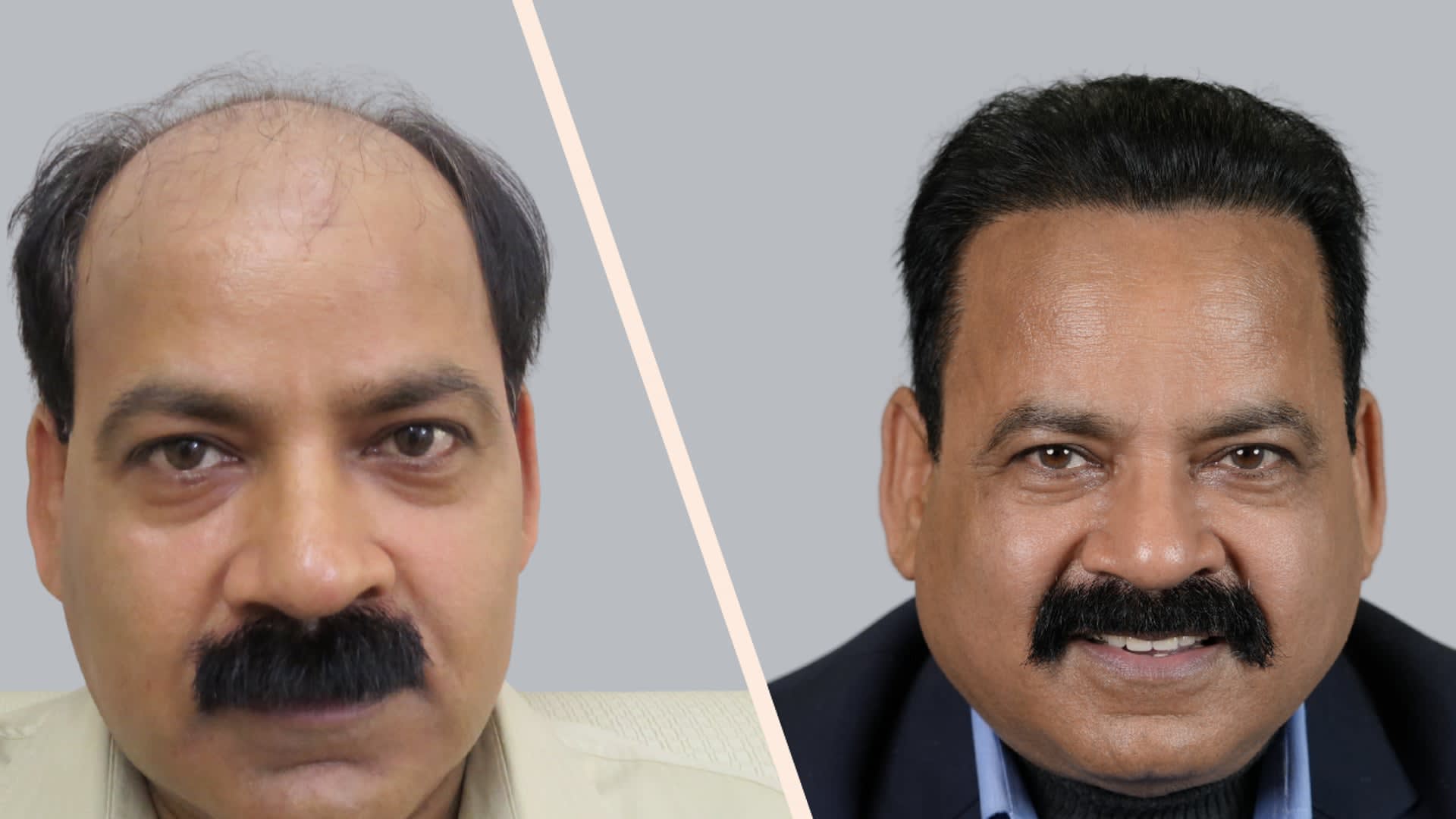
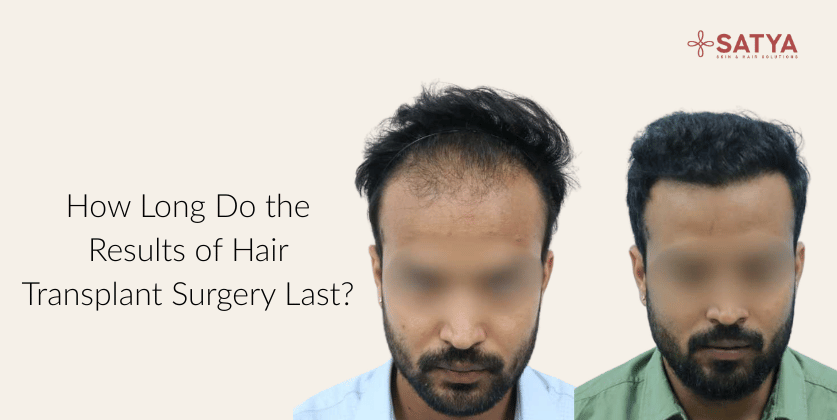
Hair transplant results are considered long-lasting because transplanted follicles are taken from a donor zone genetically resistant to pattern hair loss, a principle known as donor dominance. This means transplanted hair generally continues growing in its new location for the long term, though it is not an absolute guarantee against every form of hair loss, and the native hair around your transplant remains subject to its own progression.
Full, mature results typically take 12 to 18 months to appear, not weeks. Results vary from person to person and depend on individual assessment, technique, and aftercare.
Why Hair Transplant Results Take Time
Transplanted grafts do not grow immediately, and understanding why sets realistic expectations from day one.
- Shock loss (weeks 2–4): Most transplanted hair shafts shed shortly after surgery, sometimes up to 90% of the visible hair. This is expected telogen effluvium, not treatment failure; the follicle itself remains intact beneath the scalp.
- The dormant phase (months 1–3): This is often called the “ugly duckling” stage, since little visible change occurs while follicles reset internally before re-entering the active growth (anagen) phase.
- Early regrowth (months 3–4): Thin, wispy new hairs begin emerging, typically the first visible sign the transplant is functioning.
This sequence is normal biology, not a sign that something has gone wrong, and any clinic implying you will see finished results within a few weeks is managing your emotions, not your expectations.
How Long After a Hair Transplant for Full Results?
| Timeframe | What to Expect |
|---|---|
| Weeks 2–4 | Shock loss of transplanted hair shafts; follicles remain intact |
| Months 2–3 | Dormant phase; minimal visible growth |
| Months 3–4 | Early, thin regrowth begins |
| Months 5–6 | Noticeable improvement, particularly at the frontal hairline; roughly half of expected density |
| Months 6–9 | Progressive thickening; hairline generally approaches a natural appearance faster than the crown |
| Months 9–12 | Most follicles active; frontal area often near-complete |
| Months 12–18 | Full maturation, especially for crown coverage, which typically lags behind the hairline |
Frontal hairline results tend to mature faster than crown results, which is why photos or reviews taken before 12 months (or 18 months for crown work) do not represent a finished outcome. No responsible clinic can promise a specific density or a fixed timeline, since individual healing, graft handling, and biology all vary.
How Long Do Hair Transplant Results Actually Last?
This is a different question from “when do results appear,” and it deserves its own honest answer.
The donor dominance principle. Grafts are typically harvested from the back and sides of the scalp, an area that is naturally resistant to the hormonal process (DHT sensitivity) behind androgenetic alopecia. Research dating to Dr. Norman Orentreich’s original work in 1959 established that a hair follicle carries this resistance with it when relocated, which is the biological basis for why transplanted hair is considered durable over the long term.
The nuance clinics should mention, and often don’t. Donor dominance is not an absolute rule. Later research shows the recipient site can still influence hair characteristics like texture and growth rate to some degree, and transplanted hair is not entirely immune to every biological influence. It also does nothing to protect the native, non-transplanted hair around the treated area, which can continue to thin as your underlying pattern hair loss progresses, sometimes changing the overall look of your hairline over years even when the transplanted grafts themselves are stable.
Graft survival rate matters as much as donor biology. Published ranges put graft survival for well-executed procedures at roughly 90–98%, while poor technique can drop this to 75–85%. Any claim of “100% survival” should be treated with skepticism; independent literature does not support it. Survival is affected by:
- Time grafts spend outside the body (ischemia). Studies cite roughly 1% additional graft loss per hour of outside-body time, which is why graft handling protocol is not a cosmetic detail, it is a survival variable.
- Transection rate, the percentage of follicles damaged during extraction; skilled surgeons typically keep this under 2–5%.
- Donor hair type. Beard hair grafts, for instance, show meaningfully higher survival rates than chest hair grafts in comparative data.
- Patient factors, including smoking, which is independently associated with reduced graft take.
What Can Affect How Long Your Results Last
- Overharvesting the donor area for a single session’s density, leaving less reserve capacity if you need a touch-up as hair loss continues elsewhere.
- High graft handling time or poor storage conditions, which reduces survival before grafts are even implanted.
- Skipping medical management for native hair (where clinically appropriate), since an untreated, progressing pattern around a transplant can eventually make even a well-executed procedure look imbalanced.
- Underlying health and lifestyle factors, including smoking and unmanaged conditions that affect wound healing and follicular health.
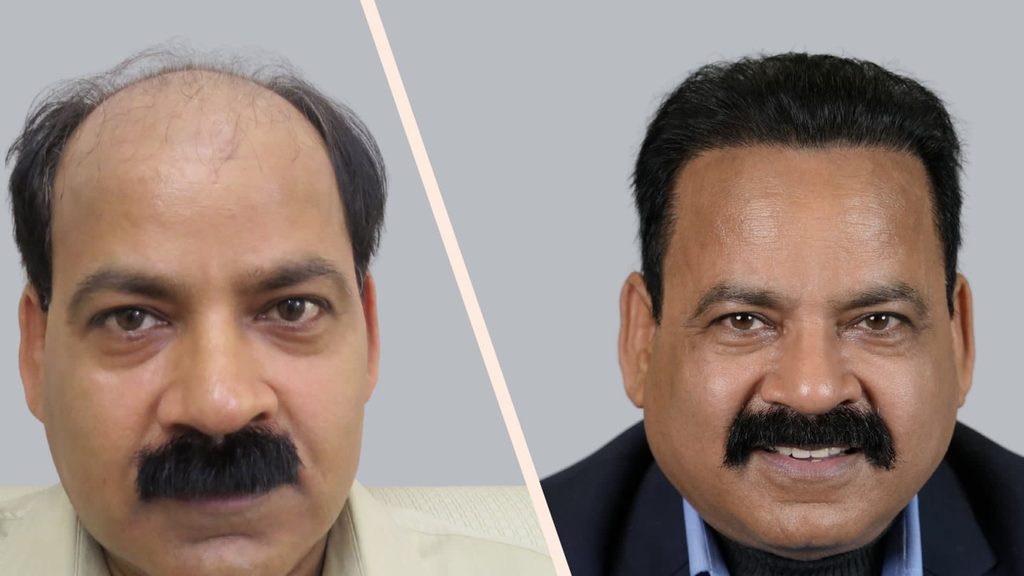
Before and After Hair Transplant Results
Before-and-after photos are one of the most common ways patients try to gauge outcomes, and one of the easiest to misread.
- Check the timeline first. A photo taken at month 4 or 6 does not represent a finished result; ask specifically when the “after” photo was taken relative to surgery.
- Look for standardized conditions: consistent lighting, angle, and camera distance. Dramatic studio lighting or a closer camera angle in the “after” shot can visually inflate density.
- Wet-hair photos are more reliable than styled, dry photos, since styling and product use can conceal thinning.
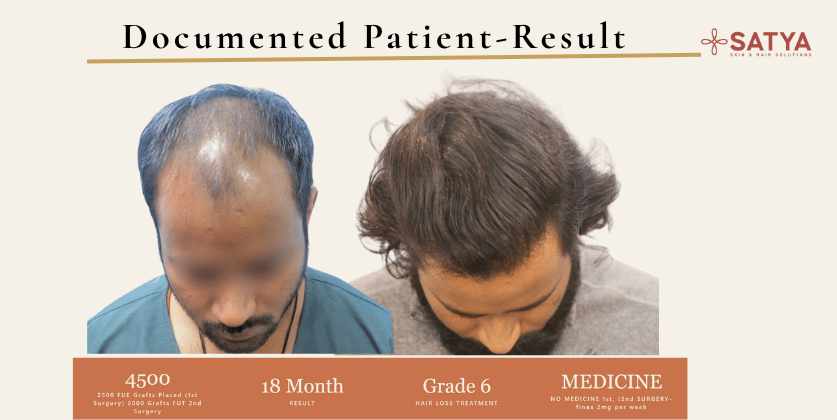
- Ask about graft count, technique, and Norwood/Ludwig grade for the case shown; a photo without this context tells you very little about whether it is comparable to your own situation.
- Note whether adjunct therapy (minoxidil, finasteride, PRP) was used alongside the transplant, since combined results are not the same as transplant results alone.
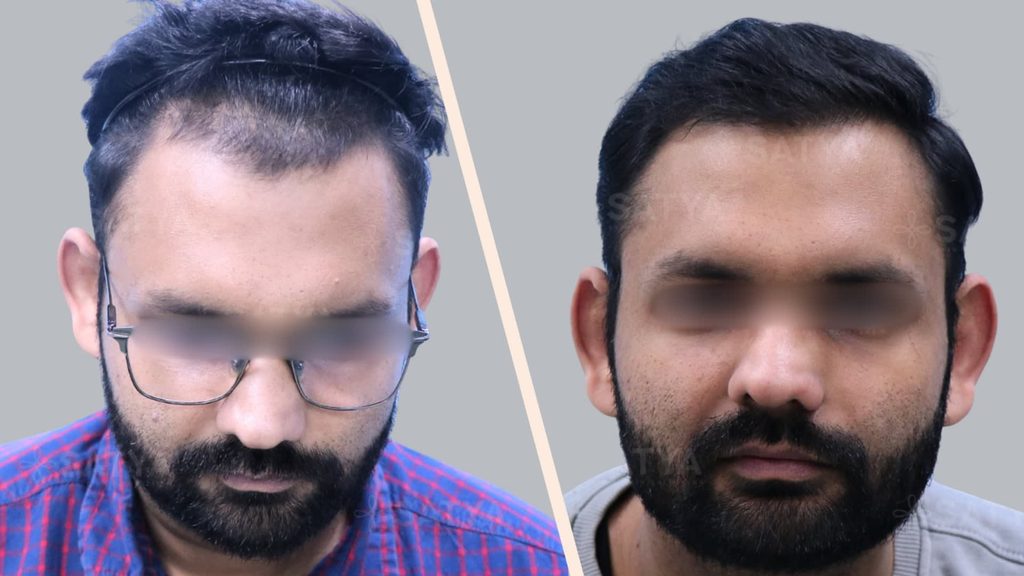
We only publish patient photography with documented, informed consent, and we do not use stock or composite imagery to represent outcomes. If you would like to review documented cases relevant to your specific hair loss pattern and technique, we can share appropriate examples during an in-person consultation, where graft count, timeline, and technique can be discussed alongside the images rather than in isolation.
Also Read: Repair Hair Transplant
How to Protect Your Results Long-Term
- Continue medical management where appropriate. Options like minoxidil or finasteride/dutasteride can help slow progression in native, non-transplanted hair, discussed individually since suitability depends on your health profile.
- Attend follow-up visits, so any early signs of reduced graft take or progressing native hair loss are caught rather than assumed away.
- Consider adjunct therapies like PRP or GFC, which may support the health of surrounding native hair, not the grafts directly, depending on individual suitability.
- Avoid smoking and manage conditions that affect healing, both of which influence graft survival and long-term scalp health.
Where Satya Stands
Graft survival and long-term durability are shaped by decisions made before, during, and after the procedure, not left to donor biology alone. Our DSFT™ protocol is built around minimizing the time grafts spend outside the body and reducing repeated handling, both directly tied to survival rate in the published literature above. We also treat donor planning as a finite resource: conservative extraction today preserves your options if your hair loss pattern continues to evolve, rather than maximizing a single session’s graft count. Results vary from person to person, and any recommendation should follow a documented scalp and donor assessment, not a generic timeline promise.
Frequently Asked Questions
Transplanted follicles are generally durable long-term due to donor dominance, since they retain the characteristics of a donor zone resistant to pattern hair loss. This is not an absolute guarantee, and native hair around the transplant can continue to change as your underlying hair loss pattern progresses.
Most patients see meaningful density by months 6–9, with full maturation, especially at the crown, taking 12 to 18 months. Frontal hairline results generally mature faster than crown results.
Transplanted hair sheds within the first few weeks (shock loss), then follicles enter a dormant phase before regrowth begins around month 3–4. This is expected biology, not a sign the procedure failed.
The transplanted grafts themselves are generally stable long-term, but overall appearance can change if native, non-transplanted hair around the treated area continues to thin with ongoing pattern hair loss, which is why many patients pair a transplant with medical management.
Check when the “after” photo was taken relative to surgery (ideally 12+ months), whether lighting, angle, and hair-wetness are consistent between photos, and whether graft count, technique, and any adjunct therapy are disclosed.
Ready to Take the Next Step?
How long your results last depends on factors specific to your scalp: donor quality, graft handling, technique, and your ongoing hair loss pattern, none of which can be assessed from a website. If you want a realistic, personalized picture of what results you could expect and how durable they are likely to be, schedule an evidence-based consultation with our hair restoration specialists at Satya Skin & Hair Solutions, Gurgaon & Delhi. Results vary from person to person, and any recommendation you receive will be based on your donor assessment and hair loss pattern, not a generic timeline.