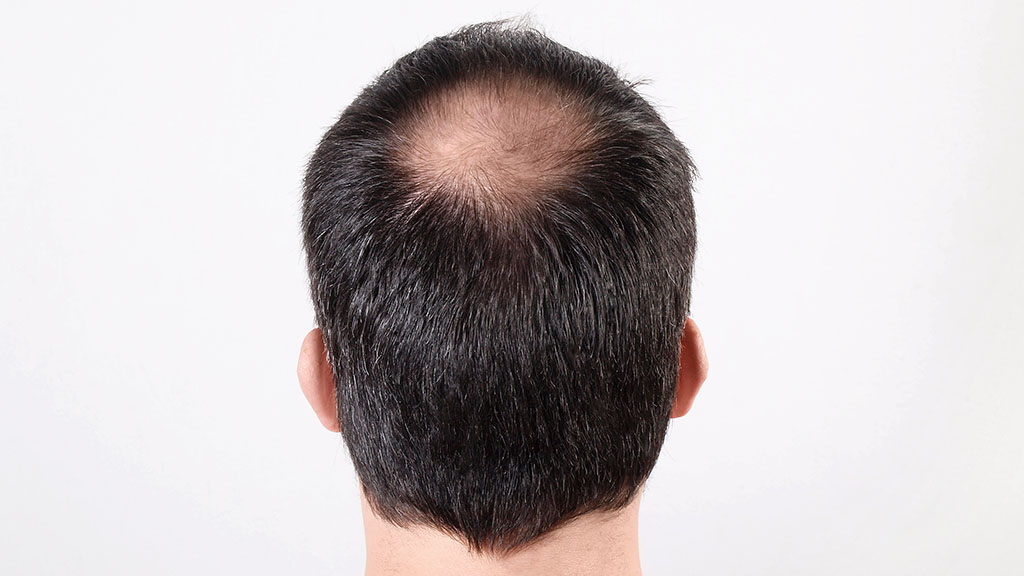
If you are between 18 and 26 years old and already noticing thinning at your crown or a receding hairline, you are not imagining it. Gen Z hair loss is real, it is increasing, and it is happening earlier than at any point in recent medical history. Across Gurgaon and Delhi NCR, dermatologists are seeing a clear pattern: young men are walking into clinics with hair loss concerns that were once considered issues of their fathers’ generation.
This article explains why Gen Z hair loss is on the rise in India, what is driving it, and what you can actually do about it, based on evidence and the clinical approach practised at Satya Skin & Hair Solutions.
The Scale of the Problem: Gen Z Hair Loss in India Is Not a Minor Issue
Data and clinical observations consistently point in the same direction. Hair loss is no longer a mid-life concern. Men in their late teens and early twenties are presenting with early-stage androgenetic alopecia, diffuse thinning, and hairline recession at rates that were uncommon two decades ago.
In a country like India, where dense, healthy hair carries deep cultural and personal significance, this shift is not just medical. It affects confidence, social interaction, career self-perception, and mental well-being.
Understanding why this generation is particularly vulnerable is the first step toward addressing it effectively.
What Is Actually Causing Gen Z Hair Loss to Start So Early?
1. Genetic Triggers Being Activated Sooner
Hereditary hair loss, or androgenetic alopecia, is the most common cause of hair loss in men across all ages. It accounts for more than 95% of male pattern baldness. Gen Z men carry the same genetic predisposition their fathers and grandfathers did.
The difference is that modern lifestyle factors are triggering those genes at a significantly younger age. The genetic clock has not changed. The environment that switches it on has.
2. Chronic Stress as a Clinical Driver
This is one of the most significant, and most underestimated, causes of Gen Z hair loss in India. Academic pressure, competitive entrance examinations, the mental load of social media comparison, financial uncertainty after graduation, and the pace of urban life in cities like Gurgaon and Delhi create a chronic stress environment that earlier generations simply did not encounter at the same intensity during their teens and twenties.
Chronic psychological stress elevates cortisol levels, which disrupts the hair growth cycle and pushes hair follicles prematurely into the shedding phase. This condition, known as telogen effluvium, can either trigger genetic hair loss or exist alongside it, compounding the visible result.
3. Nutritional Deficiencies in an Era of Processed Food
Despite greater food availability, Gen Z men in urban India frequently present with deficiencies in iron, Vitamin D, Vitamin B12, zinc, and protein. These are not extreme deficiencies. They are subclinical, meaning they do not show dramatic symptoms elsewhere but are sufficient to impair the hair growth cycle significantly.
High-carbohydrate diets, irregular meal timing, skipped breakfasts, and heavy reliance on packaged food, which is the dietary pattern of a large portion of the Gen Z demographic in metro India, create an environment where hair follicles are nutritionally deprived even in otherwise healthy-looking individuals.
4. Scalp Damage from Overuse of Hair Products
The grooming culture among young men in India has shifted enormously. Strong hold gels, clay, wax, colour treatments, and heat styling, often applied daily, strip the scalp of its natural protective barrier. When this is combined with irregular washing routines, product buildup clogs follicles and creates a scalp environment that impairs healthy hair growth over time.
This is not about vanity. It is about the practical consequence of uninformed product use without professional guidance.
5. Sleep Disruption and Circadian Rhythm Damage
Irregular sleep, late nights, and screen-dependent insomnia are near-universal experiences for Gen Z. Growth hormone, which plays a critical role in hair follicle regeneration, is primarily released during deep sleep.
A generation that consistently disrupts its sleep cycle is, without realising it, chronically impairing one of the body’s most important hair repair mechanisms.
6. Hormonal Imbalances Linked to Sedentary Lifestyle
Reduced physical activity, increased screen time, and a sedentary urban lifestyle contribute to hormonal shifts including elevated DHT (dihydrotestosterone), the primary hormone responsible for follicle miniaturisation in androgenetic alopecia. Young men who spend extended hours in front of screens, particularly without regular exercise, create a hormonal environment that accelerates hereditary hair loss.
Common Myths About Gen Z Hair Loss That Need to Be Addressed
Myth: Hair loss at 20 means full baldness by 30. This is not accurate. Early onset does not necessarily predict rapid or complete progression. With the right diagnosis and timely treatment, the majority of young men can significantly slow or stabilise hair loss. Many achieve visible regrowth.
Myth: Only shampooing too frequently causes hair fall. This is a misconception that delays treatment. Hair fall in the shower is a symptom of an underlying issue, not the cause of it. The follicle damage is already happening before you see hairs in the drain.
Myth: Hair transplant is the only solution. Hair transplant is a highly effective long-term solution for the right candidate. However, for Gen Z men in the early stages of hair loss, medical management, including approved topical treatments, oral medications, and PRP therapy, is frequently sufficient to halt progression and encourage regrowth without surgery.
Myth: Young men should just wait and see. Waiting is the single most counterproductive response to early-stage hair loss. Hair follicles that are miniaturised over several years without treatment eventually become permanently inactive. Early intervention preserves options. Delay narrows them.
Best Treatment for Gen Z Hair Loss: What Works and What Does Not
Medical Management: The First Line of Defence
For most Gen Z men presenting with early to moderate hair loss, the appropriate starting point is not surgery. It is a structured medical protocol that includes:
- Topical minoxidil, which stimulates follicle activity and extends the growth phase of the hair cycle
- Oral DHT-blocking medications, under medical supervision, which address the hormonal driver of androgenetic alopecia
- Nutritional correction based on blood panel results
- Scalp health treatment to restore the follicular environment
PRP Therapy for Gen Z Hair Loss
Platelet-Rich Plasma therapy has emerged as one of the most effective non-surgical interventions for early-stage hair loss in young men. PRP uses growth factors derived from the patient’s own blood to stimulate dormant follicles. It is safe, requires no downtime, and is increasingly the treatment of choice for Gen Z patients who are not yet candidates for transplant.
Multiple sessions are typically recommended, spaced four to six weeks apart, and are often combined with topical treatments for optimal outcomes.
Hair Transplant: When Is It the Right Option?
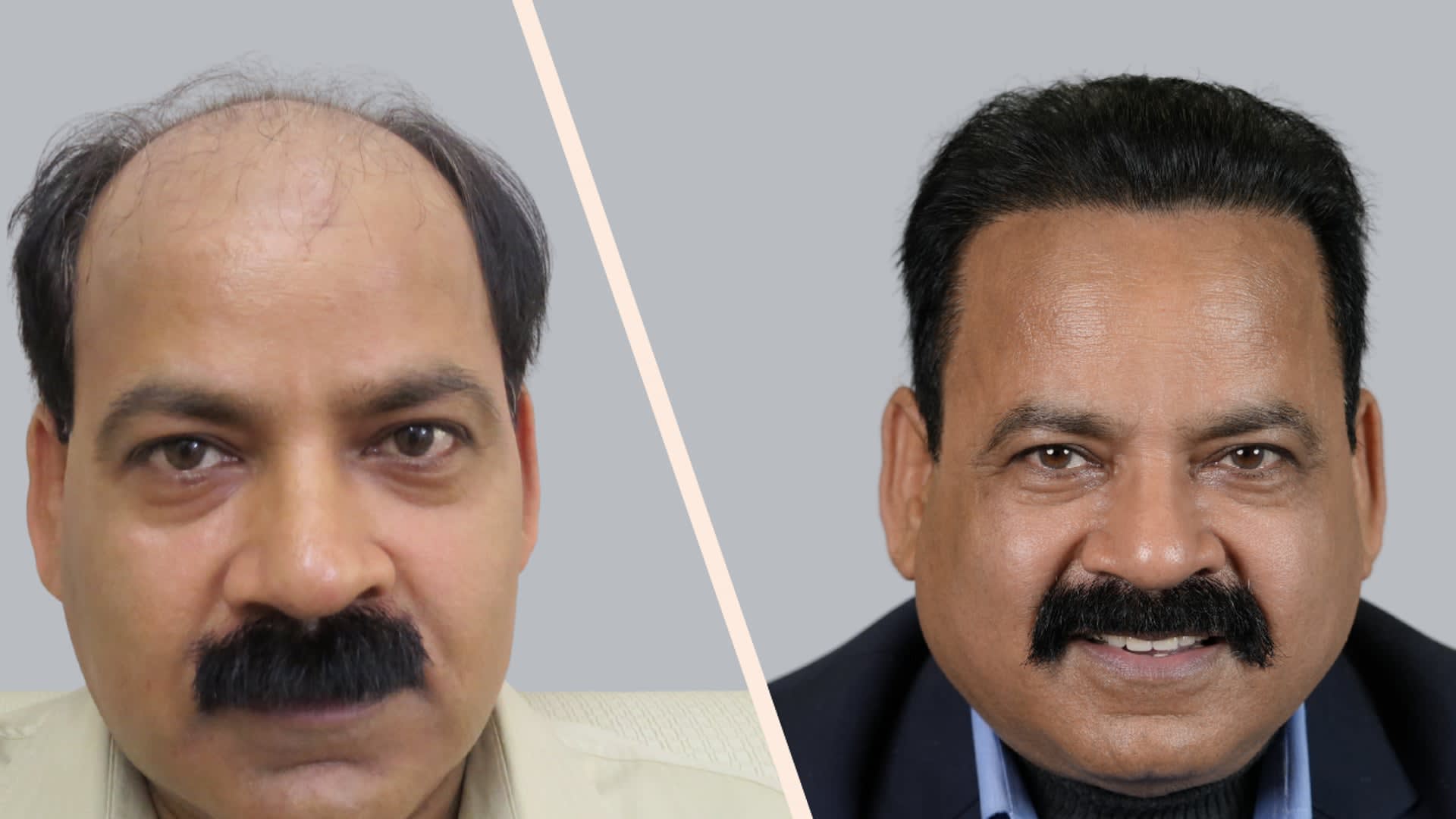
Hair transplant is not appropriate as a first response for a 19-year-old with early thinning. However, for Gen Z men in their mid-twenties who have experienced significant, stabilised hair loss, FUE (Follicular Unit Extraction) hair transplant remains the most permanent and natural-looking solution available.
At Satya Skin & Hair Solutions, the decision to recommend transplant is made only after a comprehensive assessment of the patient’s loss pattern, donor density, age, family history, and response to prior medical treatment. The goal is always to give the patient the most appropriate treatment at the right stage, not the most aggressive one.
Gen Z Hair Loss Treatment in Gurgaon and Delhi: What to Expect at Satya
Dr Shail Gupta & Dr. Ruchi Agarwal leads the hair loss treatment programme at Satya Skin & Hair Solutions, with clinics in both Gurgaon and Delhi NCR. Her approach to Gen Z hair loss is built on three principles:
Diagnosis before prescription. No treatment plan is initiated without a proper trichoscopy examination, blood panel, and scalp assessment. Treating symptoms without understanding the cause is not clinical medicine.
Age-appropriate intervention. Younger patients require a different treatment framework than older patients. The concern is not just immediate improvement but long-term follicular preservation.
Honest expectations. Hair loss treatment, whether medical or surgical, requires time and consistency. Patients who understand the realistic trajectory of their treatment are better equipped to commit to it and achieve lasting results.
Frequently Asked Questions: Gen Z Hair Loss Treatment
Yes. FDA-approved treatments including topical minoxidil and PRP therapy are safe for young men. Oral medications are prescribed after a clinical assessment. A dermatologist consultation is essential before starting any treatment.
Medical treatments typically show measurable improvement between three to six months. Consistency is critical. PRP results are generally visible after two to three sessions.
Treatment costs vary depending on the diagnosis and protocol. A medical management plan typically starts with a consultation and personalised prescription. PRP therapy is priced per session. Hair transplant cost in Gurgaon depends on the number of grafts required. An accurate estimate can only be provided after an in-person assessment.
In cases where the loss is primarily driven by nutrition, stress, or scalp health rather than genetic causes, significant regrowth is possible. For hereditary hair loss, the realistic goal is to halt progression, preserve existing hair, and stimulate regrowth in thinning areas. Complete reversal of advanced genetic hair loss is not medically achievable.
This is precisely what a dermatological consultation determines. Stage of loss, donor density, age, and loss pattern are all evaluated. For most Gen Z patients, medical treatment is the recommended starting point. Transplant is considered when loss has stabilised and medical options have been appropriately utilised.
The underlying mechanisms are often similar, but the triggers differ. Gen Z patients typically present with a heavier stress and lifestyle component alongside genetic predisposition. The treatment approach reflects this, addressing root causes alongside direct hair follicle treatment.
The Right Time to Act Is Not Later
Gen Z hair loss is not a cosmetic inconvenience. It is a medical condition with a biological basis, and like most medical conditions, it responds far better to early, evidence-based intervention than to delay.
If you are in your late teens or twenties and noticing thinning, a receding hairline, or increased hair fall, the most effective decision you can make is to seek a professional assessment now. The window for non-surgical intervention is widest in the early stages.