Waking up to find muddy, symmetrical brown or grayish-brown patches across your cheeks, forehead, nose, or upper lip can be deeply discouraging. For thousands of women and men navigating the intense urban climates of Gurgaon and Delhi, this is not a simple tan or a passing blemish it is a complex dermatological condition called melasma.
If you are currently searching for the most reliable, evidence-based Melasma Treatment, you are likely exhausted by internet trends, over-the-counter fading creams, and aggressive salon facials that often yield little result or, worse, make the patches darker.
Melasma is a chronic, deep-seated pigmentary disorder primarily triggered by hormonal shifts, UV rays, and visible light. Effective Melasma Treatment in 2026 relies on a strict multimodal, low-inflammation approach combining Q-Switched Laser Toning, advanced medical-grade chemical peels, and systemic pigment regulators. Aggressive treatments must be avoided to prevent rebound hyperpigmentation.
In the modern search landscape of 2026, finding reliable medical information means looking past shallow, regurgitated text or generic AI summaries. Google’s advanced Core Interaction Signals and helpful content parameters heavily downrank low-value, repetitive copy in favor of original insights rooted in real, lived clinical experience. To safely clear stubborn skin patches, you require authentic, doctor-led guidance.
At Satya Skin & Hair Solutions, our founders Dr. Shail Gupta and Dr. Ruchi Agarwal approach skin restoration with absolute clinical transparency. This comprehensive guide will detail what triggers this pigmentary condition, compare the best modern therapeutic options, and outline a safe path to reclaiming a balanced, uniform complexion.
What Exactly is Melasma?
Melasma is a common, chronic, and acquired skin condition characterized by symmetrical, hyperpigmented patches on sun-exposed areas of the face. Unlike temporary post-inflammatory hyperpigmentation (PIH) left behind by an acne cyst or a scratch, melasma is a deeper, more stubborn disorder of the skin’s pigment-producing system.
The condition occurs when specialized cells called melanocytes become hyper-functional, producing an overabundance of melanin (the natural pigment that gives skin its color). This excess melanin is deposited into the upper layer of the skin (epidermal melasma), the deeper tissue layers (dermal melasma), or a combination of both (mixed melasma). Identifying the exact depth of the pigment through a specialized clinical assessment is the absolute baseline required before starting any medical Melasma Treatment.
The Biological Triggers: What Causes the Patches to Form?
To treat chronic pigmentation permanently, we must address the root biological catalysts. Melanocytes do not enter an overactive state without specific internal or external triggers:
1. The Hormonal Influence (Oestrogen and Progesterone)
Hormones are a primary driver of melasma, which is why the condition is substantially more prevalent in women. Fluctuations in oestrogen and progesterone can directly stimulate melanocytes. This is exceptionally common during pregnancy, frequently termed chloasma or “the mask of pregnancy”as well as among individuals taking oral contraceptive pills, undergoing hormone replacement therapy, or managing underlying endocrine issues like thyroid dysfunction.
2. Ultraviolet (UV) and High-Energy Visible (HEV) Light
Sunlight is the most potent external trigger. UV radiation generates destructive free radicals in the skin that damage cellular DNA and send pigment cells into overdrive. Furthermore, modern clinical data confirms that High-Energy Visible (HEV) light the blue light emitted by smartphones, laptops, and LED screens also plays a massive role in worsening dermal melasma, requiring specific physical block protection.
3. Chronic Vascular and Neurogenic Inflammation
Advanced dermatological science shows that melasma patches feature an increased number of dilated, microscopic blood vessels underneath the pigment. When the skin experiences chronic inflammation or heat, these vessels release inflammatory chemical messengers that continuously signal nearby melanocytes to produce more pigment, creating a vicious cycle of darkening.
Advanced Skin Treatments at Satya Skin & Hair Solutions
The Core Foundations of Medical Melasma Treatment
Because melasma is a dynamic, chronic condition, it cannot be cured with a single session or a single “miracle” ingredient. Successful management relies on a strategic, multimodal medical approach designed to calm the pigment cells while gently removing the existing pigment deposits.
Prescription Topical Formulations
Dermatologists utilize highly controlled, prescription-strength topical agents to slow down melanin production. These include Tyrosinase inhibitors (such as Kojic Acid, Azelaic Acid, and Arbutin) which safely block the specific enzymes needed to form pigment. Additionally, newer advanced formulations incorporate Tranexamic Acid, which specifically cuts off the inflammatory communication between blood vessels and pigment cells.
Systemic Pigment Regulators
For deep, stubborn dermal patches that do not respond to creams alone, oral medical interventions may be prescribed. Systemic treatments work from the inside out to chemically downregulate hyper-active melanocytes and stabilize the skin’s internal barrier, providing an essential safety net for your skin.
Advanced Clinical Options: Lasers and Chemical Peels
When topical skincare requires professional assistance to lift deep-seated pigment, certified dermatologists utilize safe, energy-based systems and specialized clinical resurfacing.
Q-Switched Laser Toning
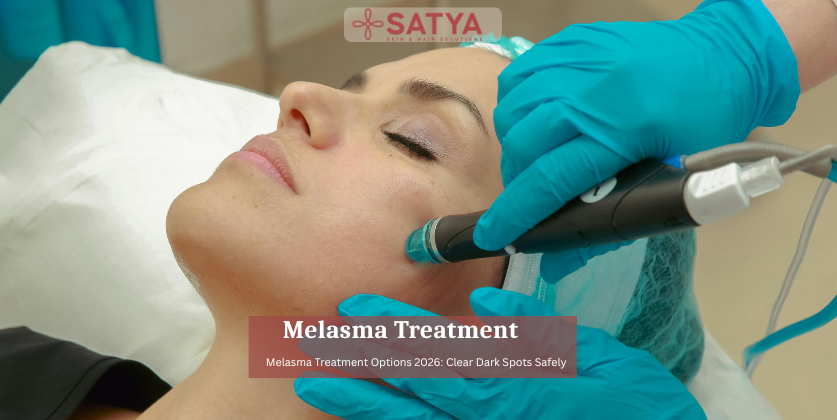
This is widely recognized as a gold-standard device for addressing mixed and dermal melasma. The laser emits ultra-short, nanosecond pulses of light energy that pass cleanly through the surface of the skin without generating excessive, dangerous heat. The acoustic energy is selectively absorbed by the dense clusters of melanin, shattering them into microscopic fragments that your body’s immune cells naturally clear away.
Medical-Grade Chemical Peels
Unlike standard, superficial beauty salon facials, specialized medical peels use precisely calibrated concentrations of alpha-hydroxy acids (AHAs), beta-hydroxy acids (BHAs), or specific depigmenting blends. These clinical peels gently accelerate cellular turnover, lifting away the dead, pigmented surface cells and allowing fresh, evenly toned skin to emerge.
Comparing Therapeutic Interventions: Lasers vs. Peels
| Clinical Dimension | Q-Switched Laser Toning | Medical Chemical Peels |
| Primary Target Depth | Deep dermal pigment and vascular triggers | Superficial epidermal pigment and texture |
| Mechanism of Action | Acoustic shattering of melanin particles | Accelerated exfoliation of the surface layers |
| Heat Generation | Ultra-low, acoustic pulse (Very Safe) | Chemical interaction, zero light heat |
| Downtime Profile | Zero downtime; mild pink flush for an hour | 2 to 4 days of light, dry flaking or peeling |
| Treatment Sensation | Mild, snapping, completely manageable tingling | Warmth, mild prickling, or light stinging |
The Satya Philosophy: Dr. Shail and Dr. Ruchi’s Expert Approach
At Satya Skin & Hair Solutions, we firmly reject aggressive, standardized “whitening packages” or harsh, quick-fix trends that treat pigmentation like a surface stain. Indian skin types (Fitzpatrick Scales III to V) naturally possess higher levels of baseline melanin, which makes them highly sensitive to heat and irritation.
If a laser is used with incorrect parameters, or if a chemical peel is applied too aggressively, the skin will respond to that trauma with severe inflammation, causing a condition called post-inflammatory hyperpigmentation (PIH) or “rebound melasma,” leaving the patches significantly darker than before.
Our founders, Dr. Shail Gupta and Dr. Ruchi Agarwal, advocate for a strict philosophy of “Minimum Inflammation, Maximum Results.” We treat pigmentation as an internal medical concern with a surface manifestation. Our protocol always begins with a comprehensive skin analysis to map out the exact depth of your pigment.
Before we ever introduce a laser or a peel, we pre-condition your skin for at least two weeks with customized cellular stabilizers to calm your melanocytes. Dr. Ruchi Agarwal personalizes every single laser parametercarefully managing spot size and energy delivery—to ensure the pigment is shattered safely without triggering heat-induced darkening. We focus on long-term skin health, providing you with a sustainable roadmap to clear skin.
Also Read: Rashmika Mandanna Secret for Glowing Skin
Essential Preventive Measures: Defending Against Melasma
Learning how to actively protect your skin daily is just as vital as any clinical procedure. Without proper preservation, even the most advanced laser results can be reversed by a single day of unprotected sun exposure.
- Apply a Broad-Spectrum, Tinted Sunscreen Daily: You must apply a generous layer of sunscreen with an SPF of 30 or higher every single morning, regardless of the weather. Crucially, ensure your sunscreen contains Iron Oxides (found in tinted sunscreens), as this is the only ingredient clinically proven to block HEV blue light from screens and indoor lighting.
- Avoid Direct Midday Sun and Intense Heat: Restrict your outdoor activities during peak UV hours, typically between 10 AM and 2 PM. Additionally, avoid environments that generate prolonged facial heat such as steam rooms, saunas, or cooking over intense open flames as heat alone can dilate blood vessels and trigger melanocyte activation.
- Incorporate Topically Applied Antioxidants: Integrate stable, high-quality antioxidants like Vitamin C, Ferulic Acid, or Silymarin into your morning skincare routine. These work by neutralizing oxidative free radicals caused by UV light and air pollution, preventing them from signaling your cells to produce excess pigment.
- Maintain absolute gentle care: Never scrub your face with harsh physical exfoliants, coarse loofahs, or aggressive rotating brushes. Mechanical friction causes micro-tears and localized inflammation, which directly leads to increased pigment deposition.
Tailoring Melasma Treatment in Gurgaon
For individuals seeking Melasma Treatment in Gurgaon, addressing localized lifestyle and environmental variables is an essential part of the care plan. Gurgaon’s corporate landscape means a vast majority of professionals spend long hours working under intense fluorescent indoor lighting and in front of multiple digital monitors. This prolonged exposure to high-energy visible (HEV) blue light serves as a continuous, silent trigger for dermal pigmentation.
Furthermore, the hard water common across many residential sectors in Gurgaon can strip away the skin’s natural lipids, leaving the protective barrier dry and highly vulnerable to environmental damage. When you receive a customized plan at our Gurgaon clinic, Dr. Ruchi Agarwal directly addresses these urban triggers, pairing advanced laser therapies with specialized blue-light defense shields and barrier-repair formulations to ensure your results are fully protected.
Tailoring Melasma Treatment in Delhi
When planning Melasma Treatment in Delhi, managing the region’s extreme seasonal fluctuations and air quality is critical to achieving successful outcomes. Delhi experiences severe airborne pollution and high particulate matter, which induces immense oxidative stress on the skin’s surface, weakening its natural defenses and triggering inflammatory pigment pathways. This is further compounded by the city’s intense, blistering summer heat, which can rapidly accelerate hormonal melasma.
At our Delhi clinic, our dermatologists explicitly adapt your clinical peels and laser toning sessions to match the current season. We integrate powerful environmental detox blocks and targeted antioxidant treatments into your protocol to neutralize the impact of urban pollution, ensuring your skin remains calm, stable, and resilient throughout your treatment journey.