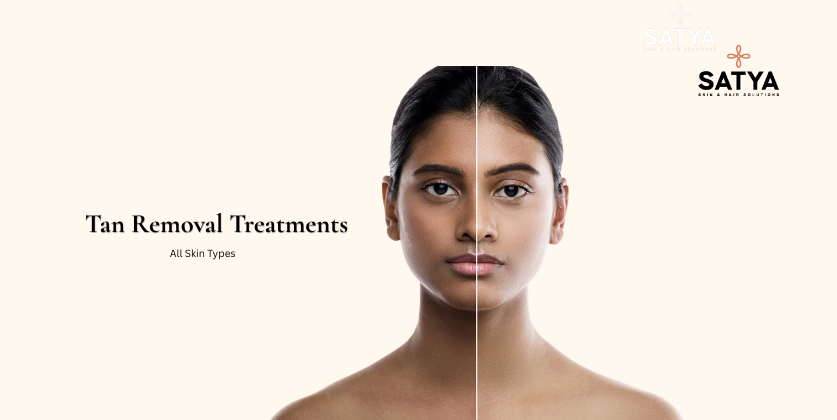
The best tan removal treatments are the ones matched to your skin type and the depth of your tan, not a single “miracle” fix. For most people, dermatologist-guided options such as chemical peels, medi-facials, brightening topicals, and, for stubborn cases, laser toning gradually fade a tan and restore your skin’s natural tone.
A tan is sun damage, so any sensible plan also includes daily sunscreen. On darker (Fitzpatrick IV–VI) skin, gentler, melanin-aware treatments are safer because aggressive methods can trigger further pigmentation. Treatments restore your baseline tone, they are not skin-whitening or a fairness guarantee.
You come back from a holiday, a wedding season, or just a few weeks of commuting under the sun, and your face, neck, arms and hands look noticeably darker and patchy compared to covered areas. That uneven darkening is a tan, and the search for the right tan removal treatments usually begins with a mix of frustration and a lot of conflicting advice online.
This guide takes a calmer, doctor-led view. We explain what a tan actually is, when it fades on its own, which professional dermatological treatments genuinely help, and how to choose safely for your skin type, without hype, bleaching promises, or unrealistic “instant fairness” claims.
What Exactly Is a Tan?
A tan is your skin’s defence response to ultraviolet (UV) light. When UVA and UVB rays reach the skin, special cells called melanocytes produce more melanin, the pigment that gives skin its colour, to absorb and scatter the radiation. The result is a temporary darkening that is, in effect, a visible sign of UV damage.
Because the outer skin renews itself over several weeks, a mild, even tan often fades by itself. Treatment becomes useful when the tan is stubborn, uneven, or sitting on areas like the face and hands, where it is most noticeable and slow to clear.
Tan vs. Pigmentation: Why the Difference Matters
Not all dark patches are a tan. A true tan is fairly uniform, follows sun exposure, and is relatively superficial. Conditions like melasma or post-inflammatory hyperpigmentation sit deeper and behave differently; they need a different plan and can actually worsen with the wrong, overly aggressive treatment.
This is why a quick professional assessment matters before you start. The right tan removal treatments for a simple sun tan are not the same as those for deeper pigmentation, and mistaking one for the other is a common reason home remedies disappoint.
Does a Tan Go Away on Its Own?
Often, yes. A light, recent tan can fade over roughly four to six weeks as the skin naturally exfoliates, especially with diligent sun protection. Treatment is about speeding up that process safely and evening out tone, not about forcing the skin lighter than its natural baseline. Setting that expectation early protects you from products and clinics that overpromise.
Professional Dermatological Treatments for Tan Removal
Performed under dermatological supervision, these are the most reliable tan removal treatments. The right choice depends on your skin type, the depth of the tan, and how your skin tolerates active ingredients.
Chemical Peels
Controlled application of exfoliating acids (such as glycolic, lactic, or mandelic acid) loosens pigmented surface cells and accelerates renewal. Milder acids like mandelic and lactic are often preferred for darker or sensitive skin because they are gentler and lower the risk of irritation-related pigmentation.
Medi-Facials & Gentle Exfoliation
Clinical brightening facials combine cleansing, mild exfoliation, and antioxidant serums to refresh dull, tanned skin with little to no downtime. They suit early or mild tanning and are a good maintenance option between stronger treatments.
Laser Toning
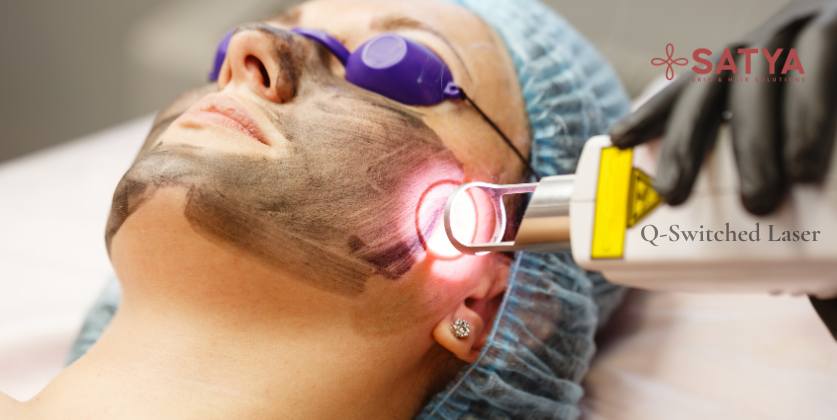
For stubborn or deeper discolouration, low-fluence laser toning (commonly Q-switched Nd:YAG) targets excess pigment over a series of sessions. In darker Indian skin it must be done conservatively and by experienced hands, because incorrect settings can cause rather than cure pigmentation.
Brightening Topicals & In-Clinic Boosters
Dermatologist-selected actives, vitamin C, niacinamide, alpha-arbutin, kojic or azelaic acid, and prescription retinoids, help fade tan and support an even tone over time. Microneedling or skin boosters with brightening serums may be added in selected cases. All of these work best as a supervised routine, not a random shelf of products.
List of Tan Removal Treatments: At-a-Glance Comparison
| Treatment | How It Works | Best Suited For | Downtime |
|---|---|---|---|
| Medi-facial | Gentle exfoliation + antioxidants | Mild, recent tan; maintenance | Minimal |
| Chemical peel | Acids speed up skin renewal | Moderate, uneven tan | Mild flaking, few days |
| Laser toning | Targets stubborn deep pigment | Persistent tan & discolouration | Low, multiple sessions |
| Brightening topicals | Actives reduce melanin over time | All types, as a daily base | None |
| Sunscreen (daily) | Prevents new tan forming | Everyone, non-negotiable | None |
| “Patients often ask me for the strongest treatment to remove a tan fast. My answer is usually the opposite, the safest, most effective option for their skin type, plus daily sunscreen. On Indian skin, especially, being too aggressive trades a tan for long-lasting pigmentation. Tan removal should restore your natural tone, not chase fairness.” Dr. Ruchi Agarwal, Dermatologist & Co-founder, Satya |
Choosing Tan Removal Treatments for Your Skin Type
“Best for all skin types” does not mean one treatment fits everyone, it means there is a suitable, safe option for every skin type when it is chosen correctly. Dermatologists often use the Fitzpatrick scale, which groups skin by how it responds to the sun.
- Lighter skin (Fitzpatrick I–III): usually tolerates exfoliation and lasers well, with a lower pigmentation risk.
- Medium to deep skin (IV–VI): the most common Indian skin types, are more prone to post-inflammatory hyperpigmentation, so gentler acids, conservative laser settings and careful aftercare matter most.
Sensitive, acne-prone, pregnant, or recently sun-exposed skin needs extra caution and may need certain actives paused. A short consultation tailors the plan to you rather than a generic protocol.
The Satya Approach to Tan Removal
- Diagnose first. We confirm it is a tan, not melasma or deeper pigmentation, before treating.
- Skin-type-aware care. Treatments and strengths are matched to your Fitzpatrick type to avoid rebound pigmentation.
- Prevention as the foundation. Daily broad-spectrum sunscreen is built into every plan, because untreated sun habits undo any result.
- No fairness promises. We aim to restore your natural, even tone with realistic timelines, never bleaching or guaranteed “instant” results.
Unsure which option suits your skin?
A consultation is the most useful first step. Our dermatology team will assess your skin type, confirm the cause of the darkening, and recommend tan removal treatments suited to you, with clear timelines and no pressure.
Frequently Asked Questions About Tan Removal Treatments
A mild tan can fade on its own in about four to six weeks with good sun protection. Professional tan removal treatments speed this up, but most need a short series of sessions and consistent aftercare rather than a single visit. Your dermatologist will give a realistic timeline based on your skin.
Gentle options are usually best, mild medi-facials, low-strength acids such as lactic or mandelic peels, and well-chosen brightening topicals. These reduce the risk of irritation, which on sensitive or darker skin can otherwise lead to more pigmentation.
No treatment makes you permanently tan-proof. Laser toning can effectively fade stubborn pigment, but if you return to unprotected sun exposure, a new tan will form. Results are maintained with sun protection and occasional upkeep, not a one-time permanent fix.
Yes, when they are chosen and performed correctly. Deeper skin types are more prone to post-inflammatory hyperpigmentation, so experienced dermatologists use gentler acids and conservative laser settings. The safety lies in the expertise and the settings, not in avoiding treatment altogether.
A tan is a relatively even, superficial darkening that follows sun exposure and tends to fade. Melasma and other hyperpigmentation are deeper, more persistent, and need a different approach. Treating one as if it were the other is a common cause of poor results, which is why assessment comes first.
No, and that is not the goal. Responsible tan removal restores your skin’s natural baseline tone and evens out sun-induced darkening; it does not bleach your skin or change your genetic complexion. Be cautious of anything promising permanent fairness.
Daily sunscreen, gentle exfoliation and antioxidant serums can help a mild tan at home. For stubborn, uneven, or long-standing tanning, professional treatment is safer and more effective, and it avoids harsh DIY remedies that can irritate the skin and worsen pigmentation.