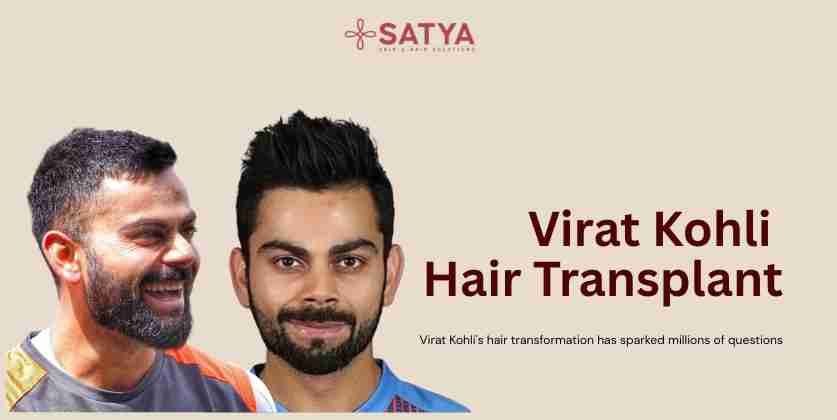
The Virat Kohli hair transplant story is one of the most-searched topics in Indian hair restoration and for good reason. When a public figure whose appearance is scrutinised under 4K broadcast cameras undergoes a visible hair transformation, people pay attention. Millions of fans noticed the change. Millions more Googled it.
But this article is not about celebrity gossip. It is a clinical discussion. At Satya Skin & Hair Solutions, we have been performing hair transplants since 2005. Across Gurgaon and Delhi, we have seen thousands of patients walk in holding a photograph of Virat Kohli or another cricketer, or a Bollywood actor and say: “Doctor, I want this result.”
What we tell every one of those patients is the same thing: the result is real, it is achievable, and it begins with understanding your hair correctly. Let us start there.
What Did the Virat Kohli Hair Transformation Actually Look Like?
If you have followed Indian cricket over the past decade, the change in Virat Kohli’s hairline is difficult to miss. Photographs from his early IPL career show visible temporal recession a receding hairline at the corners, consistent with early-stage androgenetic alopecia (male pattern baldness).
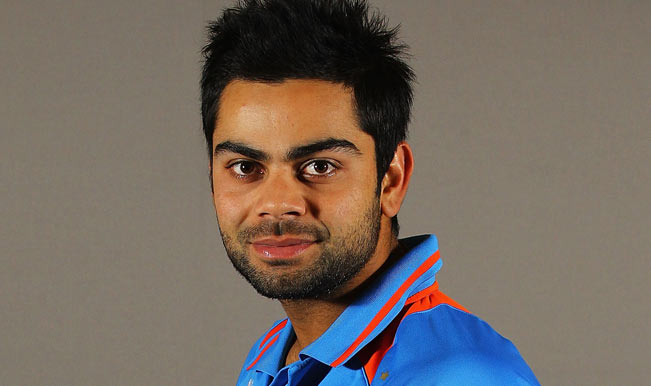
Photographs from the mid-2010s onward tell a different story. The hairline appears denser, the temples are fuller, and the hairline angle sits more naturally on his face hallmarks of a well-executed hair restoration procedure.
Based on clinical observation of publicly available images, most hair transplant surgeons agree that the transformation is consistent with a Follicular Unit Excision (FUE) procedure performed at an early to moderate stage of hair loss, likely Norwood Stage 2 to 3.
Why Do Celebrities Get Hair Transplants Earlier Than Most Patients?
This is one of the most instructive aspects of the Virat Kohli hair transplant discussion and it has direct implications for every person reading this article.
Celebrities and athletes operate in high-visibility environments. They are photographed from every angle, in every lighting condition. Thinning at the temples or recession at the hairline becomes visible to millions.
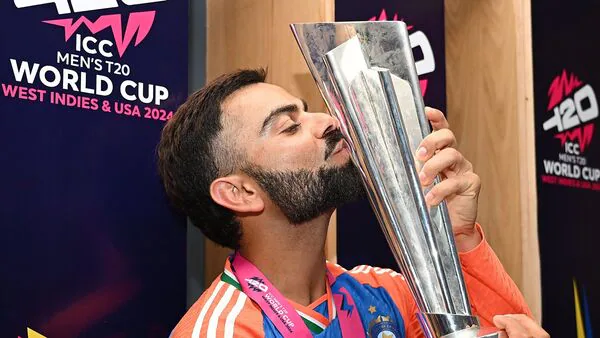
For this reason, celebrity patients tend to seek hair restoration earlier in the hair loss cycle typically at Norwood Stage 1 to 3 when donor hair supply is ample, natural hairlines can be preserved, and the procedure requires fewer grafts.
The clinical advantage of early intervention is significant. The earlier you address hair loss, the more options you have and the more natural and undetectable the results.
Also Read: Salman Khan Hair Transplant
At Satya Skin & Hair Solutions, Dr. Shail Gupta consistently advises patients not to wait until hair loss is advanced before seeking a consultation. Early assessment allows for a complete treatment plan combining medical management with surgical planning where appropriate.
What Technique Was Most Likely Used? Understanding FUE Hair Transplant
The Virat Kohli hair transplant result characterised by a natural hairline, no visible linear scar, and the ability to wear short hairstyles is consistent with FUE (Follicular Unit Excision), the gold standard in modern hair restoration.
How FUE Works
In an FUE procedure, individual follicular units each containing one to four hair follicles are extracted from the donor area (typically the back and sides of the scalp) using a micro-punch tool. These grafts are then implanted in the thinning or bald area using precisely angled incisions that replicate the natural direction and pattern of hair growth.
When performed correctly, FUE leaves no linear scar, allows for a faster recovery, and produces results that are indistinguishable from natural hair.
What Makes the Result Look Natural?
At Satya Skin & Hair Solutions, we use a proprietary approach called the Mimic Nature Hairline concept. Rather than placing a straight or uniform hairline which looks artificial we design each hairline based on the patient’s facial structure, age, natural growth direction, and long-term hair loss trajectory. The result is a hairline that does not look transplanted. It looks grown.
This is what separates a great hair transplant result from a detectable one and it is the standard our surgeons have maintained since 2005.
FUE vs FUT: A Quick Comparison for Patients Considering Hair Transplant
Many patients who search for Virat Kohli hair transplant are, in fact, researching hair transplant options for themselves. Here is a concise clinical comparison:
| Feature | FUE (Follicular Unit Excision) |
| Scarring | Tiny punch scars, not visible in short hair |
| Recovery Time | 7–10 days for most patients |
| Graft Survival Rate | 90–95% with experienced surgeons |
| Suitable For | All stages; ideal for early-to-moderate loss |
| Hairline Naturalness | Excellent when designed correctly |
| Satya Approach | DSFT (Direct Stimulated Follicular Transplant) |
Satya Skin & Hair Solutions performs hair transplants using DSFT Direct Stimulated Follicular Transplant a proprietary refinement of the FUE technique that prioritises graft survival and angle precision for maximum density with minimum donor usage.
How Many Grafts Did Virat Kohli’s Hair Transplant Likely Require?
Based on clinical observation of early-stage temporal recession (Norwood 2–3), an estimated 1,500 to 2,500 grafts would be required to restore the hairline and temple density visible in his transformation. This is considered a modest-to-moderate procedure which is precisely why the result looks so natural.
At this graft range, a skilled surgeon has significant control over hairline design. There is no compromise between coverage and naturalness. The donor area remains largely intact, preserving options for any future touch-up if hair loss continues.
Our philosophy at Satya: “Less Medicine. Less Donor. Maximum Skill.” directly reflects this: we use the minimum grafts necessary to achieve the maximum natural result, protecting your donor reserve for the future.
What Does the Virat Kohli Hair Transplant Result Tell Us About Hair Loss in Young Indian Men?
India has one of the highest rates of androgenetic alopecia (male pattern baldness) in Asia. Research suggests that up to 58% of Indian men experience some degree of hair loss by the age of 40 and the age of onset is declining, with many men noticing significant recession in their mid-to-late twenties.
The Virat Kohli hair transplant story resonates because it normalises early intervention. It demonstrates that hair loss is not something to resign yourself to and that the results of modern hair transplant surgery, when performed by experienced hands, are genuinely indistinguishable from natural hair.
At Satya Skin & Hair Solutions in Gurgaon and Delhi, we regularly treat patients in their late twenties and thirties who have noticed the early signs of temple recession or crown thinning. Many of them have held off for years worried about surgery, worried about outcomes, worried about looking different. What they discover after treatment is that the worry was disproportionate to the reality.
Can Hair Loss Be Prevented Before a Transplant Becomes Necessary?
This is the question that most patients should be asking and rarely do, because the conversation usually starts after visible loss has already occurred.
The honest clinical answer: genetic hair loss cannot be permanently reversed without surgery. But it can be significantly slowed, and in some cases stabilised, with the right medical management protocol. At Satya Skin & Hair Solutions, we offer a full scalp and hair assessment that identifies the stage of hair loss, the rate of progression, and the most appropriate intervention whether that is medical management, non-surgical treatment, or a hair transplant consultation.
- FDA-approved medications (Finasteride, Minoxidil) can slow progression in early stages
- PRP (Platelet-Rich Plasma) therapy supports follicle health and may delay surgery timelines
- Nutritional and hormonal factors play a role and are assessed at consultation
- Hair transplant becomes the appropriate next step when medical management alone is insufficient
The goal is to manage hair loss intelligently not reactively.
Why Choose Satya Skin & Hair Solutions for Your Hair Transplant in Delhi NCR?
Satya Skin & Hair Solutions was founded in 2005 by Dr. Shail Gupta and Dr. Ruchi Agarwal two of Delhi NCR’s most experienced specialists in hair restoration and dermatology respectively. Over nearly two decades, we have built a reputation on one principle: the result must look like it was never done.
What Sets Satya Apart
- Proprietary DSFT (Direct Stimulated Follicular Transplant) technique for superior graft survival
- MHT (Maximum Harvesting Technique): preserving your donor area while maximising yield
- Zero-pain anaesthesia protocol: the procedure begins and ends in comfort
- Future-Ready Transplant approach: every hairline is designed with your 20-year hair loss trajectory in mind
- Mimic Nature Hairline concept: no two hairlines are identical; each is designed for the individual face
- Two clinic locations: Gurgaon (DLF Phase 4 / Galleria Market) and Delhi (Pitampura)
- Serving patients from across Delhi NCR, including Cyber City, Sohna Road, South Delhi, and beyond
Whether your hair loss is at an early stage like the Virat Kohli hair transplant appears to have been or more advanced, the right starting point is an honest, doctor-led consultation.
Begin Your Hair Restoration Journey the Right Way
The most important thing the Virat Kohli hair transplant story tells us is not that hair transplants are for celebrities. It is that early, expert-guided intervention produces the most natural results results that nobody knows about unless you tell them.
At Satya Skin & Hair Solutions, every consultation begins with an honest assessment: what is causing your hair loss, how will it progress, and what is the most appropriate path forward for your specific scalp, age, and goals. We do not promise outcomes. We plan for them.
Frequently Asked Questions
Virat Kohli has never publicly confirmed a hair transplant. However, clinical analysis of before and after photographs widely published in sports media shows a clear improvement in hairline density and temple coverage consistent with an FUE hair transplant procedure. This is an expert observation, not a confirmed statement from Kohli or his representatives.
Based on an estimated 1,500–2,500 grafts for a hairline and temple restoration of this type, the cost at a quality clinic in Delhi NCR would typically range from Rs. 1,50,000 to Rs. 5,00,000 depending on graft count, technique, and clinic reputation. At Satya Skin & Hair Solutions, pricing is transparent and discussed in full at consultation before any commitment is made.
Transplanted hair is drawn from the permanent donor zone at the back of the scalp follicles that are genetically resistant to the hormone DHT (the primary cause of male pattern baldness). These follicles, once transplanted, behave as they did in their original location: they grow permanently. However, existing native hair in the thinning area may continue to recede over time, which is why future planning is a critical part of any transplant consultation.
There is no universal “best age.” The timing depends on the stability of hair loss, the extent of recession, and the patient’s long-term hair loss pattern. Most surgeons recommend waiting until the hair loss pattern has stabilised typically mid-twenties to early thirties for most patients. Early consultation, however, is always advisable so that medical management can begin while the right surgical timing is assessed.
When performed by an experienced surgeon using the correct technique and hairline design, a hair transplant is completely undetectable. The Virat Kohli hair transplant result where the transformation drew mass public attention but has never been confirmed because it simply looks like natural hair is precisely the standard that skilled hair transplant surgeons aim for.
At Satya Skin & Hair Solutions, we use a zero-pain anaesthesia protocol that makes the procedure significantly more comfortable than patients typically expect. Most patients report little to no discomfort during the procedure and manageable mild soreness in the days that follow.
Hair transplant results follow a predictable timeline. Initial shedding of transplanted hair occurs in the first 4–6 weeks this is normal and expected. New growth begins at 3–4 months. Visible density improves through 6–9 months. Final results are typically assessed at 12 months post-procedure.