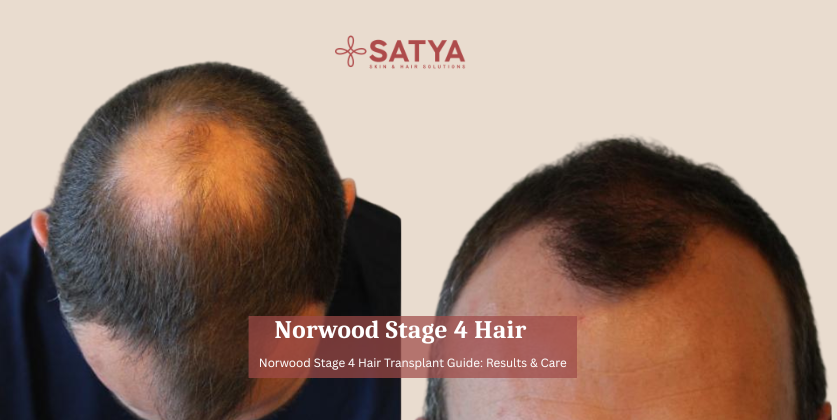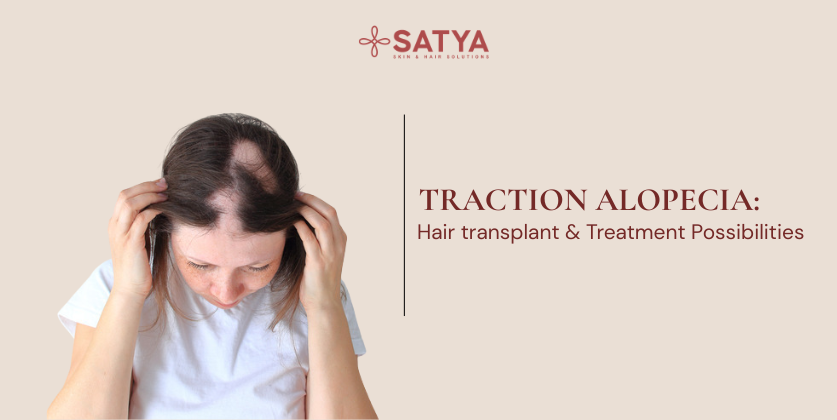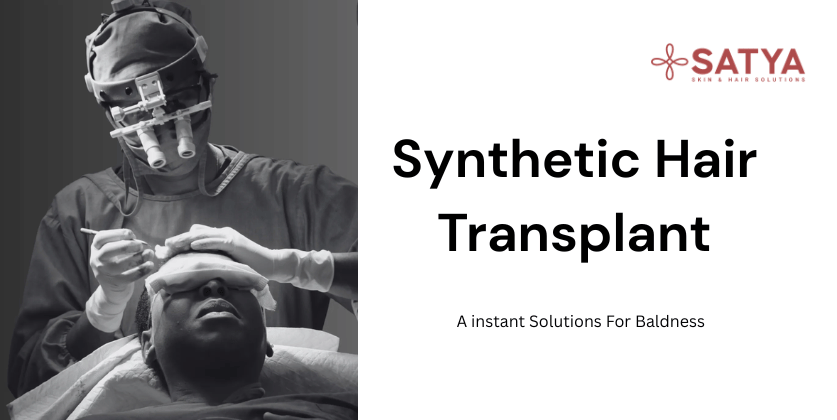

When people search for hair transplant before and after results, they are not just looking for photos. They are trying to understand one crucial thing: Will this really work for me?
This guide is written to answer exactly that, with clarity, realism, and science, so you know what to expect before, during, and after a hair transplant.
Why “Before and After Results” Matter So Much
Hair transplant results are the biggest decision-making factor for patients. But here’s the truth most clinics don’t explain clearly:
- Hair transplant results are not instant
- Results vary from person to person
- Photos alone don’t tell the full story
To truly judge a hair transplant, you must understand:
- Hair loss stage before surgery
- Donor hair quality
- Technique used
- Healing and growth timeline
- Long-term sustainability
Understanding the “Before” Stage of a Hair Transplant
The before phase is where results are actually decided.
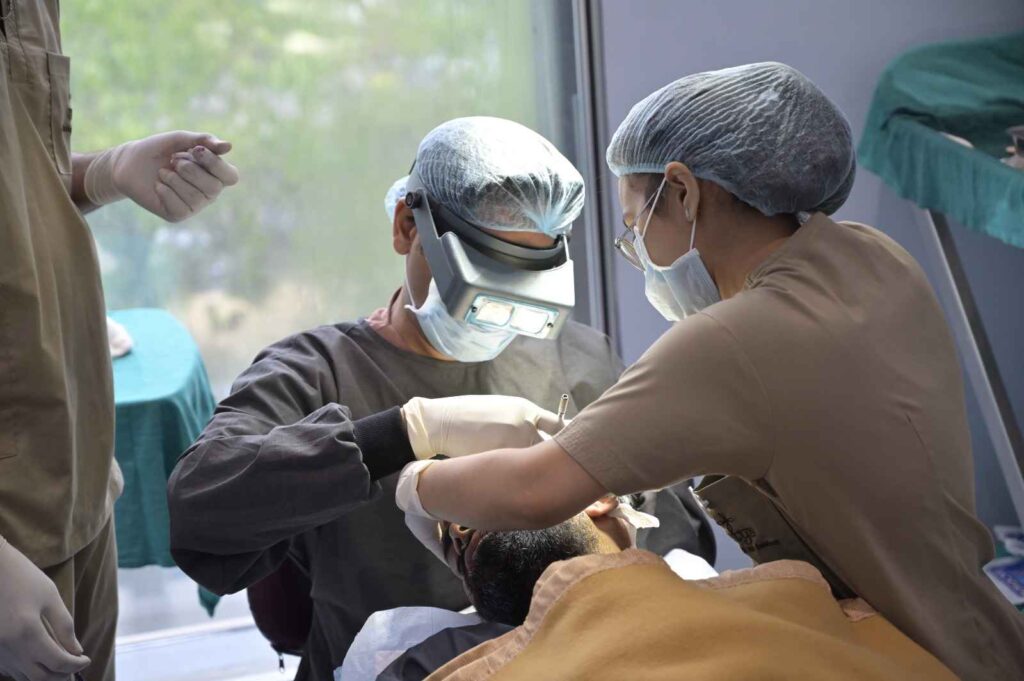
1. Degree of Hair Loss
Patients with early to moderate hair loss usually see denser, faster-looking results. Advanced baldness can still be treated, but expectations must be realistic.
2. Donor Area Strength
The donor area (back and sides of the scalp) is the bank for your transplant. Strong donor hair leads to:
- Better coverage
- Natural density
- Long-lasting results
Weak or overused donor areas are the most common reason behind poor before-and-after outcomes.
3. Hair Characteristics
Thickness, curl, color contrast, and scalp visibility all affect final appearance. Two people with the same number of grafts can look completely different after a transplant.
Hair Transplant Techniques and Their Impact on Results
Different techniques create different outcomes.
FUE (Follicular Unit Extraction)
- Individual graft extraction
- Minimal scarring
- Best for small to medium sessions
- Results look natural when donor is preserved properly
FUT (Follicular Unit Transplantation)
- Strip method
- Allows higher graft yield
- Ideal for advanced baldness
- Excellent long-term density when combined with proper planning
The best before and after results often come from choosing the right technique, not just the popular one.
Hair Transplant After Results: The Real Timeline
One of the biggest misconceptions is expecting instant hair growth. Let’s break it down honestly.
First 0–2 Weeks
- Scabbing and redness
- Transplanted hairs are visible
- This is not the final result
1–3 Months (Shedding Phase)
- Transplanted hair falls out
- This is normal and temporary
- Roots remain safely under the skin
Many patients panic here, but this phase is a sign of correct healing, not failure.
4–6 Months
- New hair starts growing
- Thin, soft hair initially
- Patchy appearance may still be present
6–9 Months
- Hair thickness improves
- Coverage becomes visible
- Styling starts becoming easier
9–12 Months
- 80–90% of final result visible
- Density and texture stabilize
- Natural hairline appearance emerges
12–18 Months
- Final maturation
- Hair becomes stronger and blends fully
True hair transplant results should always be judged after 12 months, not earlier.
What Makes Hair Transplant Before and After Results Look Natural?
Natural results depend on planning, not graft count.
Key factors include:
- Correct hairline design (age-appropriate, not artificial)
- Proper angle and direction of implantation
- Even density distribution
- Respecting scalp blood supply
- Avoiding overharvesting the donor area
Overpacked or poorly angled grafts may look dense in photos but often fail long term.
Common Myths About Hair Transplant Results
Myth 1: More grafts = better results
Truth: Poor planning with high graft numbers can damage both donor and recipient areas.
Myth 2: Results depend only on medicines
Truth: Medicines support existing hair but cannot replace surgical skill.
Myth 3: Results are permanent no matter what
Truth: Transplanted hair is permanent, but surrounding native hair still needs protection and long-term planning.
How to Evaluate Hair Transplant Before and After Photos Correctly
When you look at photos online, always check:
- Same lighting and angle
- Wet vs dry hair comparison
- Short-term vs long-term results
- Donor area condition after surgery
- Whether medicines are influencing the outcome
A trustworthy clinic shows honest timelines, not just 3–4 month transformations.
Who Is the Ideal Candidate for the Best Results?
You are likely to see excellent before-and-after results if:
- Your donor area is strong
- Hair loss is stabilised or well assessed
- Expectations are realistic
- Surgery is planned scientifically, not emotionally
Final Thoughts: What Truly Defines a Successful Hair Transplant?
A successful hair transplant is not just about visible hair. It is about:
- Natural appearance
- Donor safety
- Long-term sustainability
- Confidence without dependence on heavy medication
The best hair transplant before and after results are those that still look good 5–10 years later, not just on social media.
If you’re considering a hair transplant, take time to understand the process, because informed decisions always lead to better results.