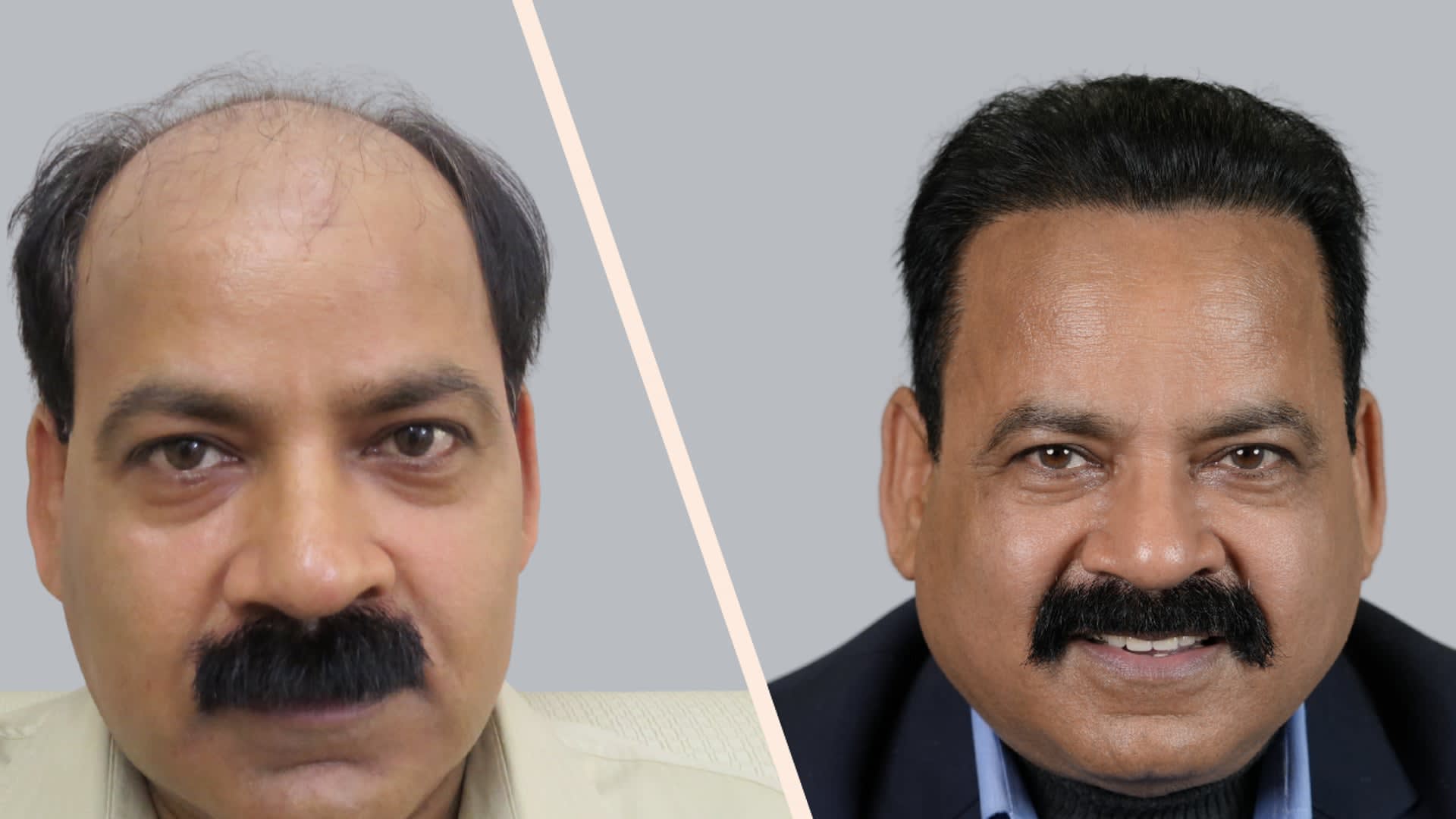
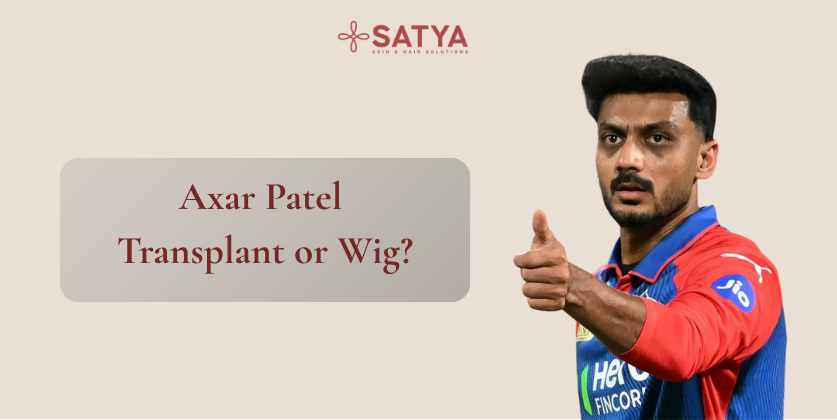
Indian cricket fans are obsessive observers. So when Axar Patel, the stylish left-arm spinner and dependable middle-order bat, stepped onto the field looking noticeably different, the internet didn’t take long to notice. His hairline appeared dramatically thicker, denser, and more youthful than in previous seasons.
Was it angles? Lighting? Or the quiet work of a skilled hair transplant surgeon? At Satya Skin & Hair Transplant Clinic, Dr. Shail takes an evidence-based look at what the camera strongly suggests, and explains the science behind one of modern medicine’s most transformative procedures.
Hair loss doesn’t discriminate it affects athletes, actors, and everyday people alike. The good news? Modern hair transplant techniques can restore not just your hair, but your confidence.
What Exactly Is a Hair Transplant?
A hair transplant is a minimally invasive surgical procedure that involves relocating healthy hair follicles from a donor area (typically the back or sides of the scalp, where hair is genetically resistant to balding) to areas experiencing thinning or hair loss.
The results are permanent, because the transplanted follicles retain their genetic resistance to DHT (the hormone responsible for most hair loss). Once the grafts survive and grow, they behave exactly like natural hair. They can be washed, cut, styled, and even coloured.
FUE vs. FUT, Which Method Do Celebrities Choose?
There are two primary techniques used in modern hair restoration. Celebrities, including sportspeople like Axar who need to be back in public view quickly, almost universally opt for FUE (Follicular Unit Extraction).
Why FUE Is the Celebrity Choice
- No linear scar: hair can be kept short without visible evidence of surgery
- Faster healing: most patients return to normal activity within 5–7 days
- Natural-looking results: individual follicle placement mimics natural growth patterns
- Painless procedure: performed under local anaesthesia with zero downtime discomfort
- Robotic precision available: advanced clinics use AI-assisted graft selection
FUT (Follicular Unit Transplantation) strips a thin band of skin from the donor area, yielding more grafts per session, but leaves a linear scar. For public figures photographed from every angle, FUE’s scar-free approach is the clear preference.
Did Axar Patel get a hair transplant? Dr. Shail from Satya Skin & Hair Transplant Clinic breaks down celebrity hair restoration explaining FUE technique, the procedure step-by-step, costs in India, and how you can achieve the same natural, permanent results.
Step-by-Step: What Happens on the Day of Surgery
Consultation & Hair Mapping: The surgeon analyses your hair loss pattern using the Norwood Scale and determines the ideal donor zone and graft count required for your specific goal.
Donor Area Preparation: The back of the scalp is trimmed and numbed with local anaesthesia. Individual follicular units are extracted one by one using a micro-punch tool (0.6–0.9mm).
Graft Storage & Sorting: Extracted grafts are kept in a specialised solution to preserve viability while the surgical team sorts them by single, double, and triple follicle units.
Recipient Site Creation: Micro-incisions are made in the thinning area at precise angles to mimic the natural direction of hair growth, this is where artistic skill determines the final result.
Graft Implantation: Each follicle is carefully placed into the recipient sites. Density, distribution, and hairline design are all calibrated to produce a completely natural outcome.
Recovery & Growth Timeline: Redness subsides in 7–10 days. Transplanted hair sheds (normal!) in weeks 2–4, then regrows permanently from month 3 onward. Full density is visible by 9–12 months.
Why Celebrity Transparency About Hair Transplants Matters
For decades, hair transplants were a taboo topic, something men underwent in secret and never acknowledged. The cultural narrative around baldness carried unnecessary shame, particularly for public figures whose appearance is constantly scrutinised.
But times are changing. When celebrities like Axar Patel appear on national television with a visibly restored hairline, it quietly destigmatises the procedure for millions of viewers who’ve been silently struggling with the same issue. It communicates a simple, powerful message: hair loss is common, and treating it is a completely valid personal choice.
At Satya Skin & Hair Clinic, we see patients of all ages, from young men in their mid-20s experiencing early recession to professionals in their 50s seeking a restored appearance. Each patient has a unique story, but the desire for confidence is universal.
Frequently Asked Questions
The procedure is performed under local anaesthesia. You may feel slight pressure during the injection, but the surgery itself is painless. Post-procedure discomfort is mild and managed with basic medication.
Based on the visible before-and-after difference, a Grade 2–3 Norwood hair loss pattern typically requires between 2,000 and 3,500 grafts. Advanced cases may need 4,000+ grafts across multiple sessions.
With an experienced surgeon, no. Modern FUE creates results so natural that even dermatologists often cannot distinguish transplanted hair from native hair growth. The key is the artistic design of the hairline.
Most surgeons recommend waiting until 25–28 years of age to ensure the hair loss pattern has stabilised. Treating too early risks needing additional sessions as the underlying hair loss progresses.
Costs vary based on graft count and clinic. In India, quality FUE procedures typically range from ₹50,000 to ₹2,00,000, a fraction of international pricing, with results that match global standards at top clinics.